The most southern area of Portugal is the Algarve region. Naturally beautiful and sunny over 300 days of the year. The major airport is Faro and you can fly directly from Montreal or Toronto. It’s also possible to fly via Lisbon, or to take a train or bus from Lisbon . This was a shorter trip so we only saw the highlights.
The Algarve is a popular destination for outdoor activities. There is also a significant retirement community of Europeans, Brits, Canadians and Americans. Some snowbirds, and some have made a permanent move.
I flew into Faro and spent four days with a group. Harold joined me after the group trip and we continued exploring on our own. It never rains in the Algarve, but it did when we were there. They have had a two year drought which definitely broke. It was a wet trip, but the area was still beautiful even when it rained. Definitely worth a visit, although I would suggest avoiding the area in July and August when, based on the number of hotels it must be packed.
Getting around
Trains
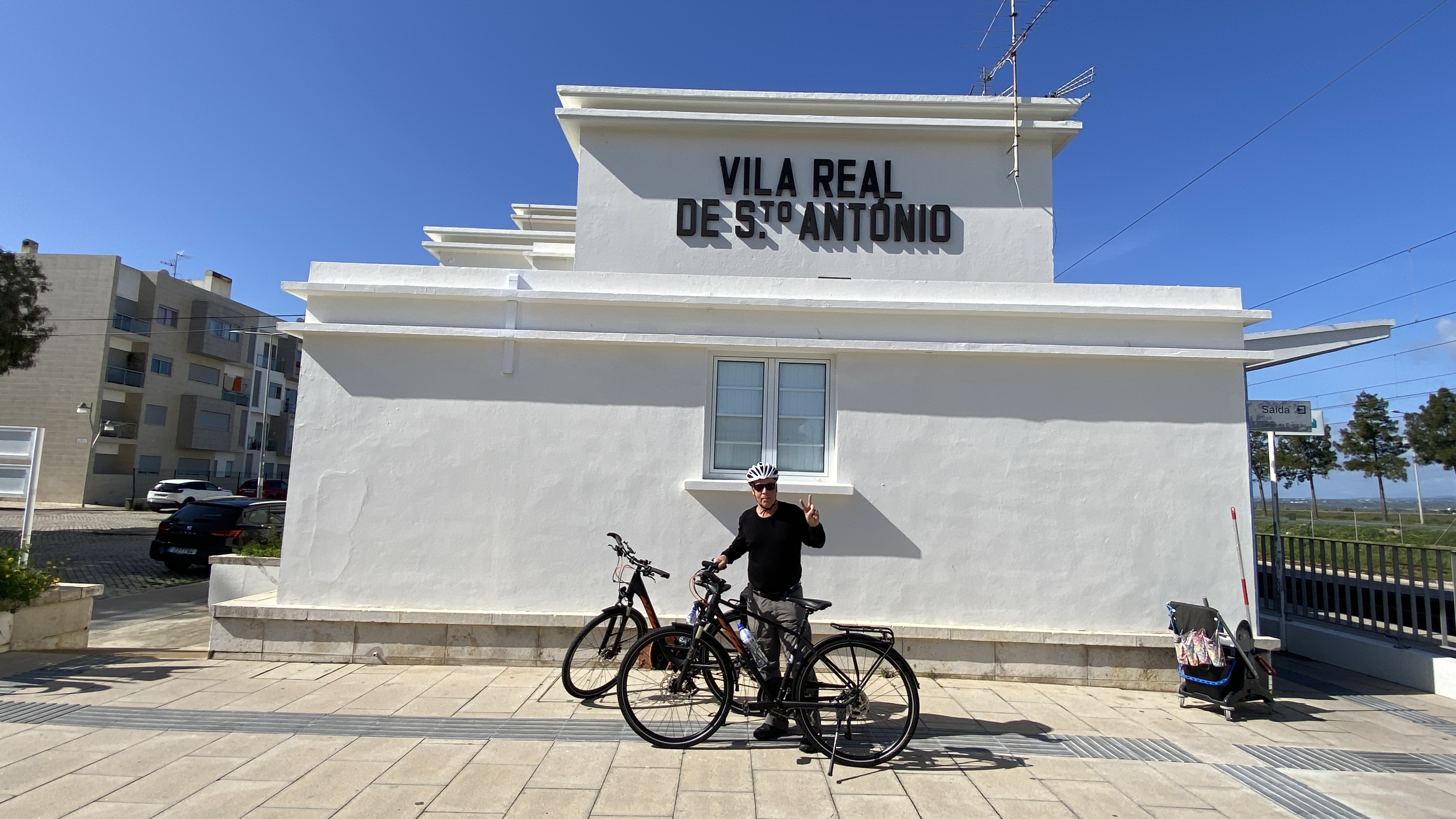
There is regular train service along the coast from Sagres to Real and you can bring your bike with you on the train. There is an app and website available with schedules. You can buy tickets on the app, but you can also buy tickets at the station and on the train. If you are travelling with a bike you have to buy your ticket on the train although there is no charge for the bike. I have no idea why!

Buses
There is also regular bus service between towns. There are bus stops all over the place and you can pay on the bus. Google maps was pretty good for schedules and stops. There may also be an app but we did not use it.
Car Rental
We almost never rent cars but we did here. It was very cheap compared to North America and driving on the main roads around the Algarve is pretty straightforward. There is a freeway running along most of it which used to be a toll road but no longer is. It’s a bit confusing because some of the toll infrastructure is still there. Including signs with blank amounts for each type of vehicle. The main road to Lisbon is a toll road.
The N125 is the more local road running through the area. There are many roundabouts and google maps is definitely your friend. What you want to avoid is driving in the towns where the streets are often one way and very narrow. When we locked our rental car the mirrors automatically folded in! You will generally find parking on the edge of town where you can leave your car and proceed on foot. If you do rent a car you will want to ensure you have somewhere in the area around your accommodation to park it overnight. Rent the smallest car you can get away with. Note that most cars will be standard transmission.

We rented an electric car. Chargers were not difficult to find but you need an app to use them. We used Miio based on the recommendation of the car rental company. The app worked well for finding charging stations, but it was not accurate about the charge going to the car or the estimated time to charge. If you are going to use it you need to create an account before you leave home. If you just use data in Portugal and do not have an active phone number you can’t create an account because you have to verify a phone number by SMS. Once you have created an account you can add to your “wallet” using a credit card. The smallest amount you can add is 20 euros.
Activities
Cycling
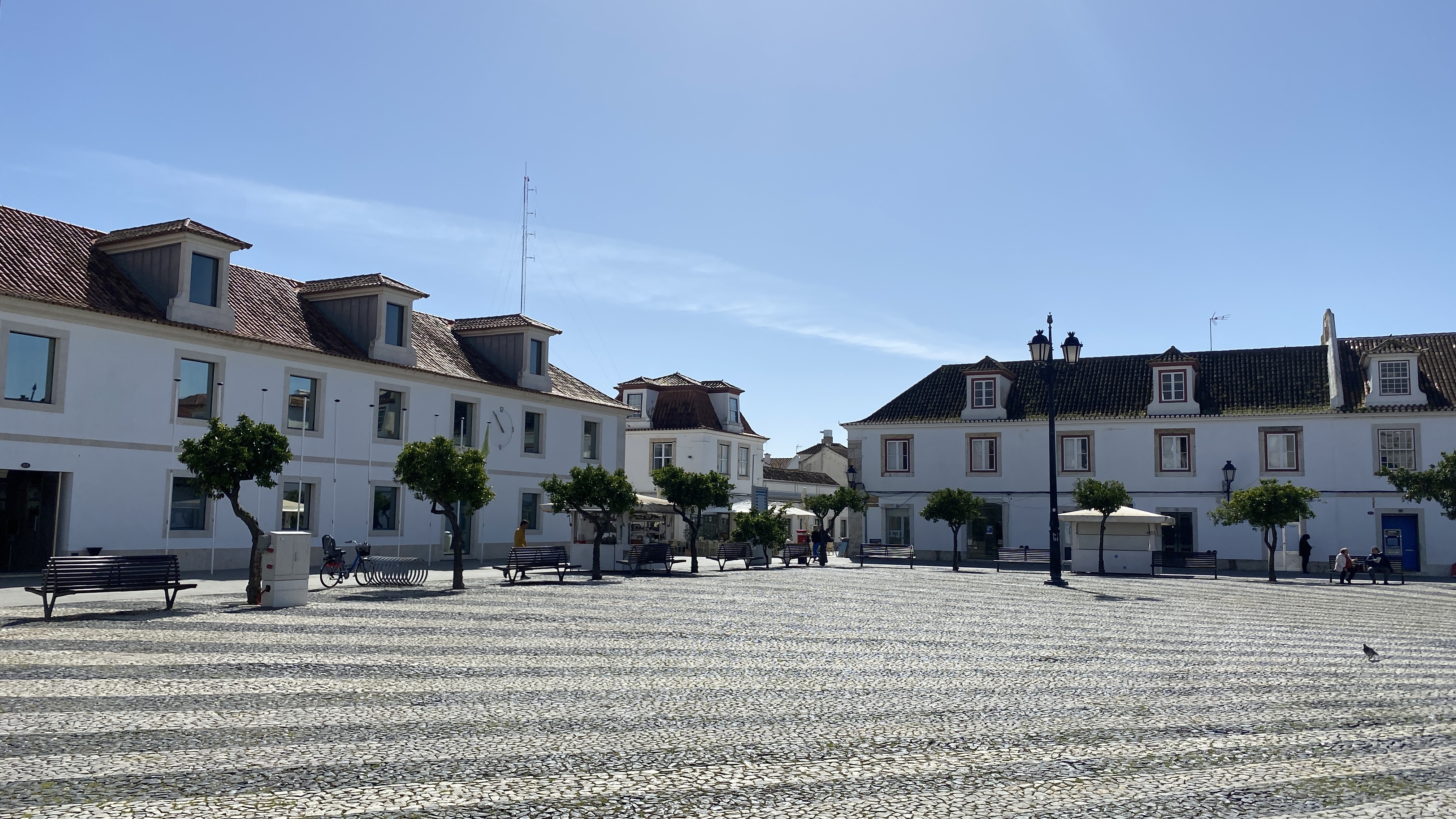
There are wonderful cycling trails through the region. We cycled from the Spanish border to Ohla mostly on Velo Route 1. It was very beautiful and we were astonished by the differences in landscape. We rode through small towns, forests, vineyards, orchards and along the beaches. We had hybrid bikes. If you are going to do Velo Route 1 I would recommend them. Much of the route is unpaved and a bit uneven. Although there was an unusual amount of rain when we were there so the trails were softer than usual and there was definitely some damage from the rains. One section was impassable. We would love to go back and cycle right across the Algarve.


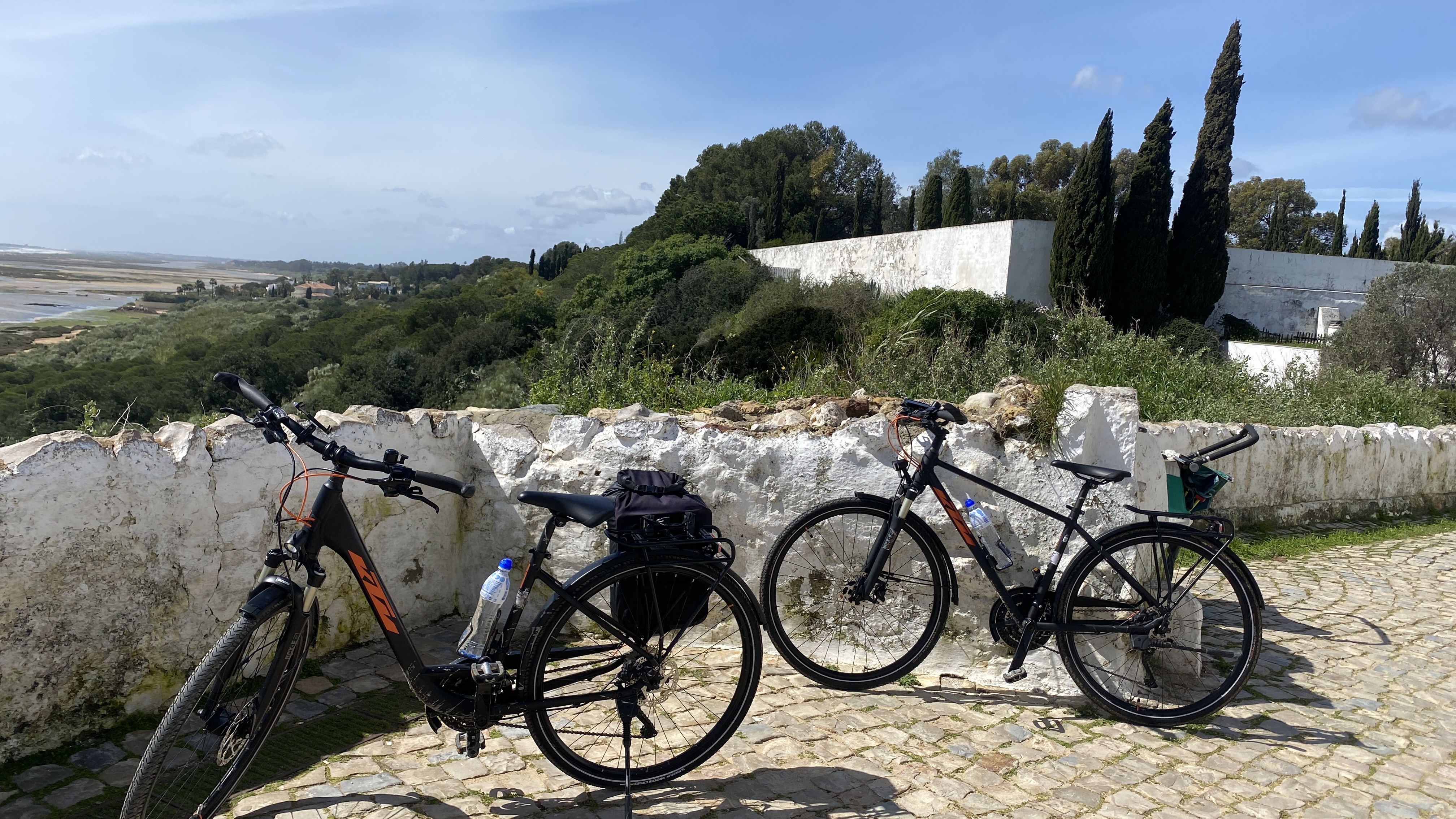
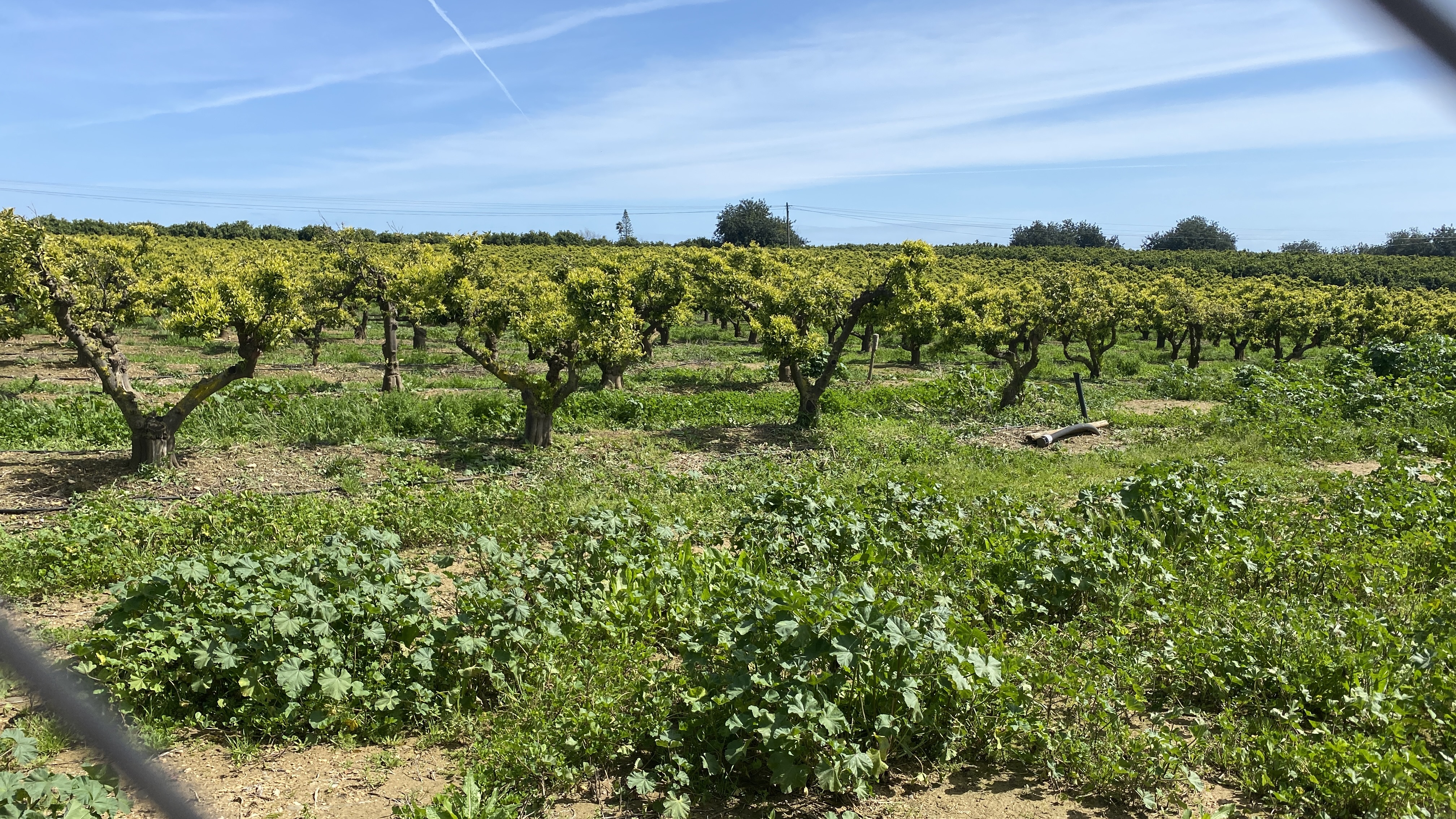
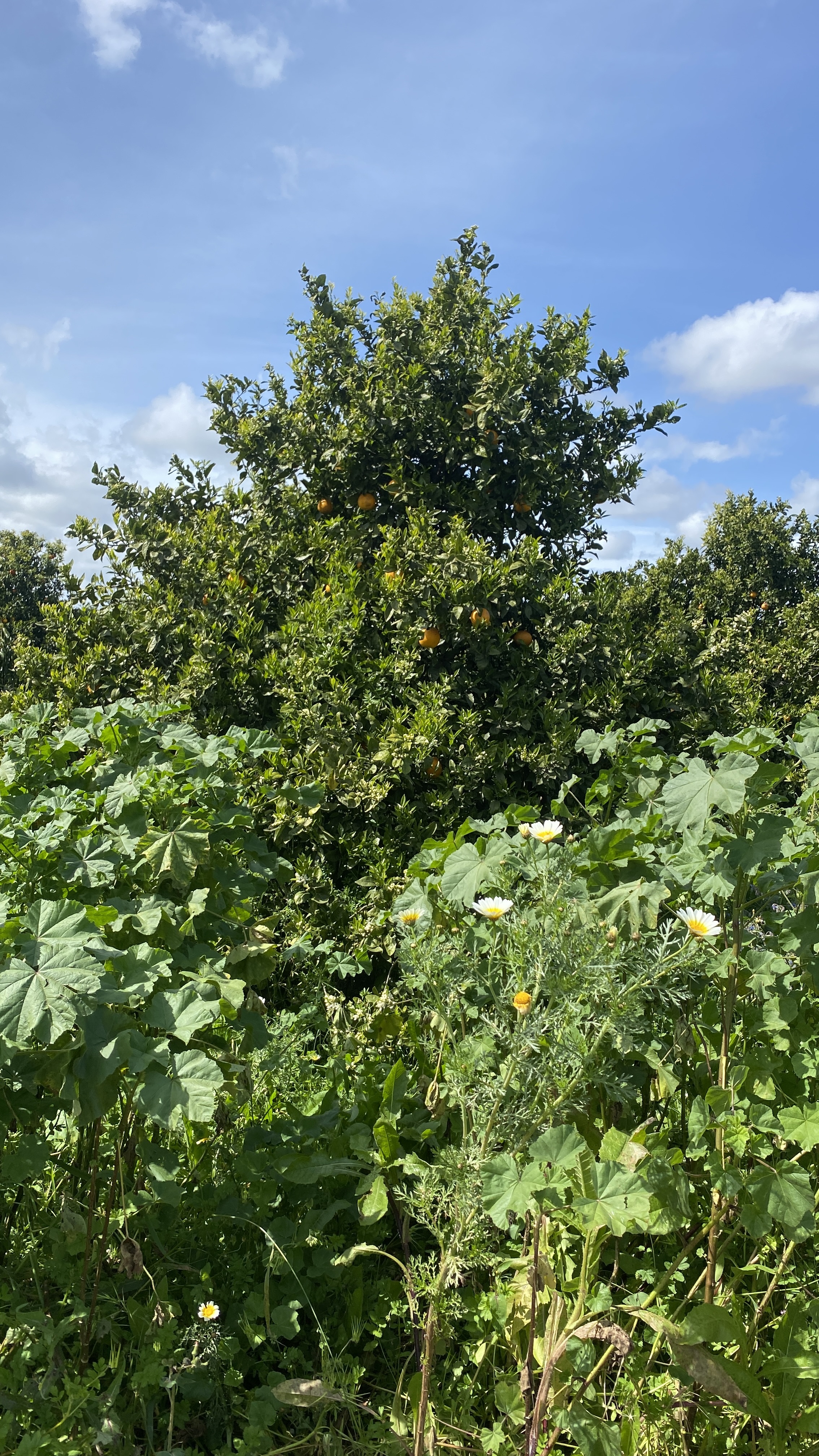
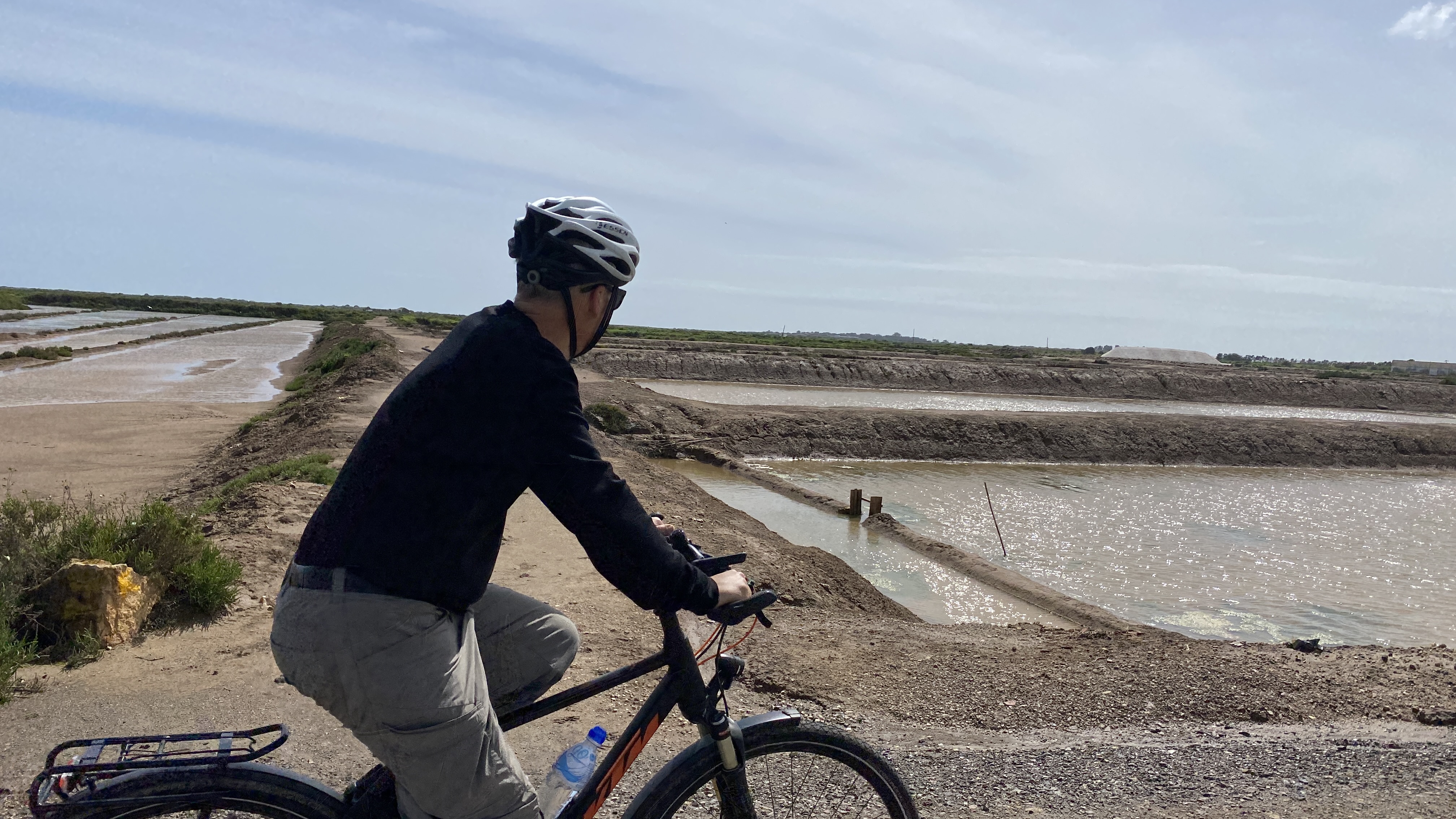
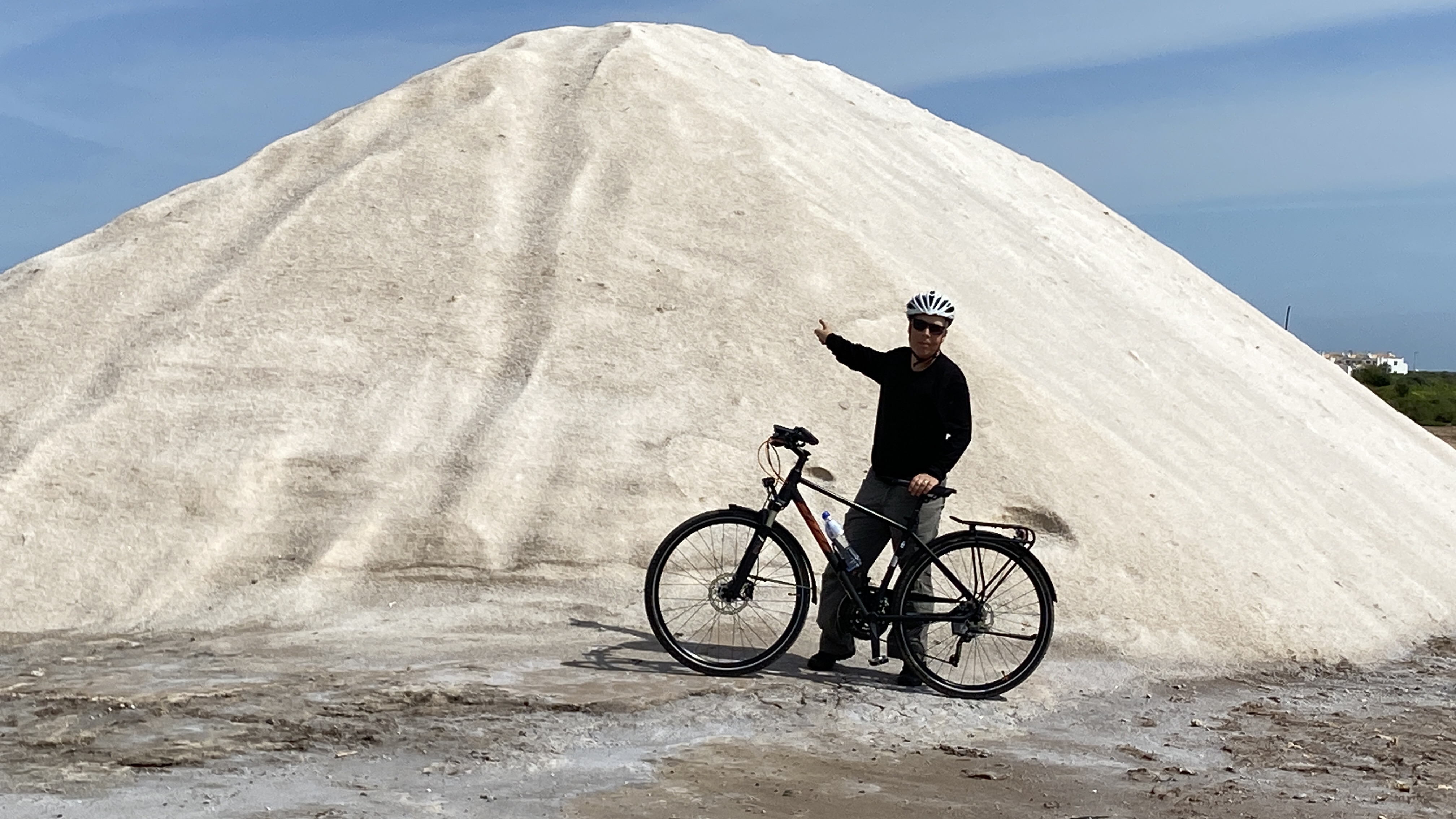
If you want to cycle right across there are a number of companies that offer bikes, luggage transfer and accommodation to do the trip in a supported way.There is good road biking and mountain biking in the area as well.
Hiking
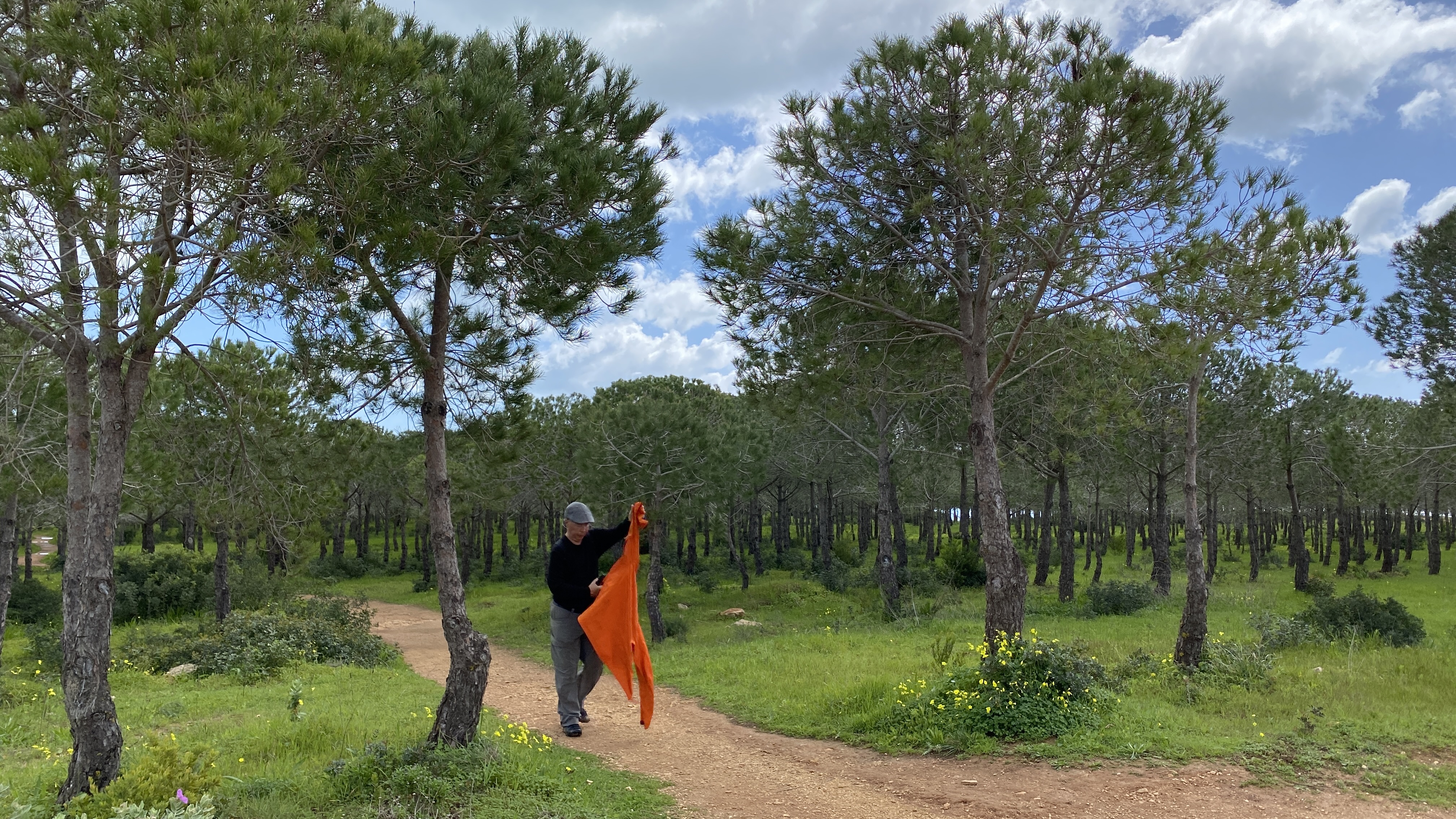
There are tons of lovely well marked trails through the region. The most famous is the Fisherman’s trail which travels 230 km from Lagos to Porto Covo. We walked the section from Lagos to Lux and took a bus back. The views were stunning. The Fisherman’s trail tends to be over traveled in the warmer months but there are many other great trails in the area. You can also arrange for luggage transfer, accommodation and support for thru hiking.




The beach
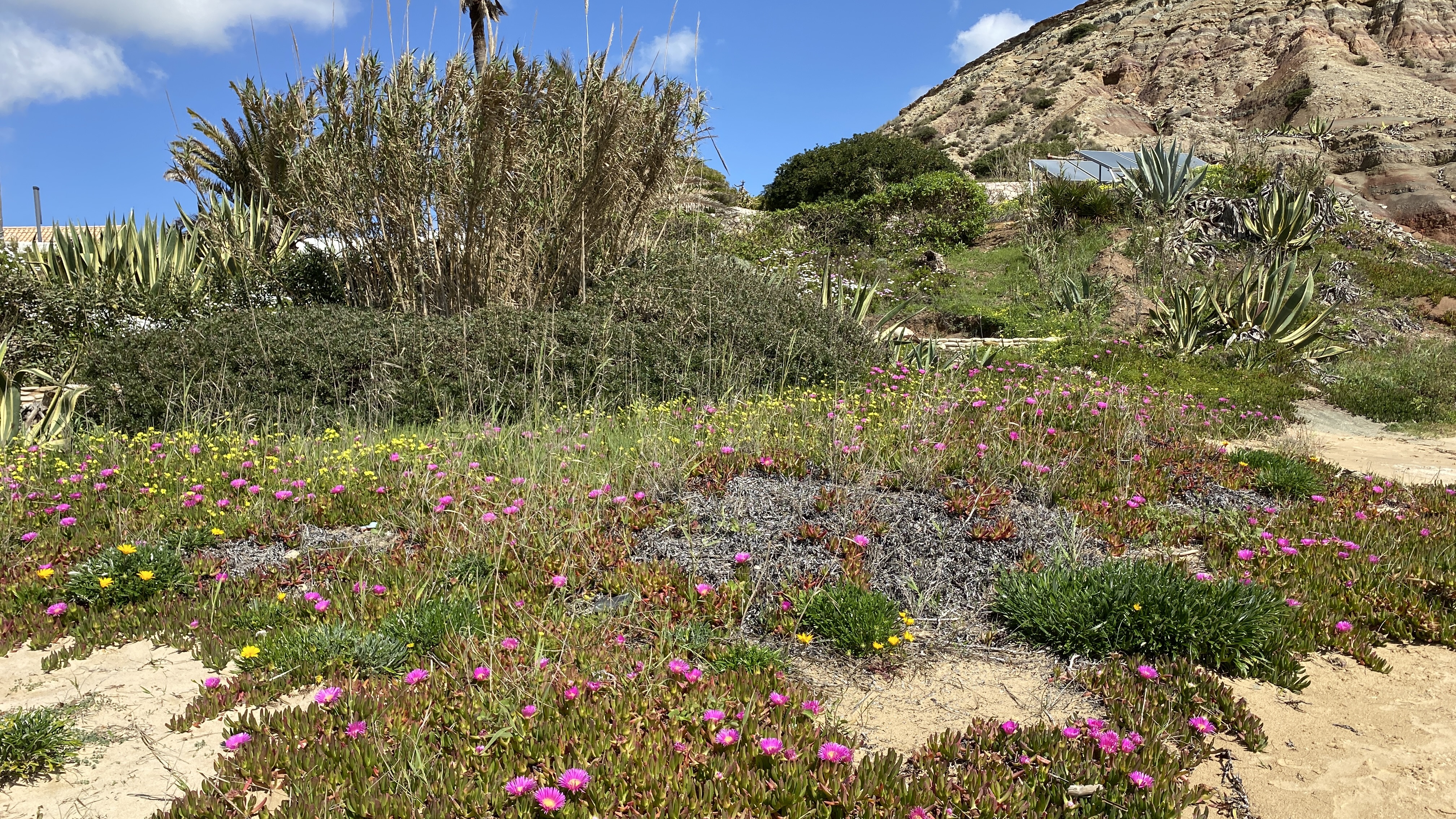
There are beautiful sand beaches all along the coast. Very quiet in March but I suspect they are pretty busy in the summer. There is lots of wind for kite sufferers and surf for surfers.


Birds
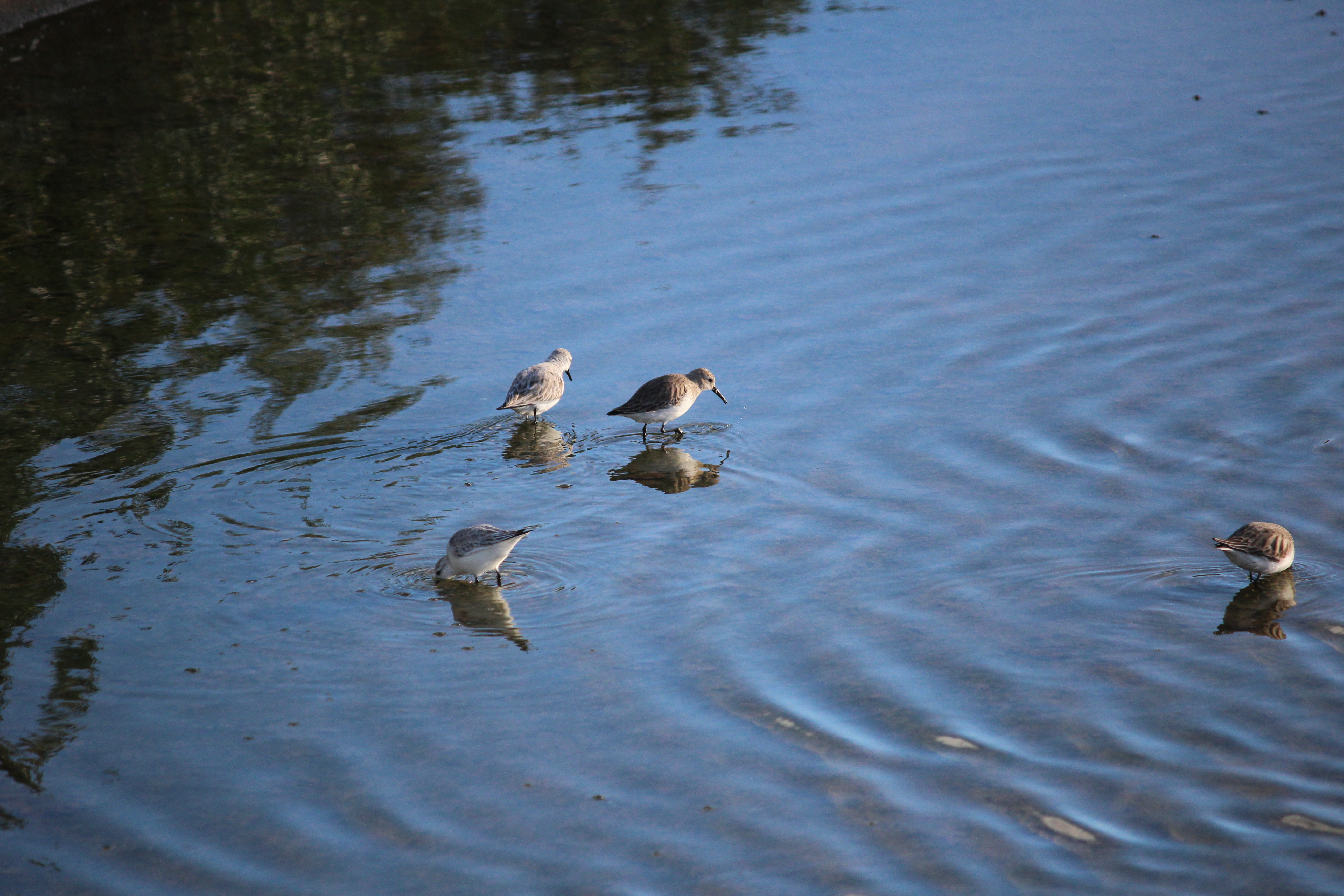
In many parts of the coast there is a large sandbar which protects the coast from the sea. This provides a natural estuary for birds. Many birds migrate through the area. We saw lots of terns and nesting storks all over the place without trying to look for birds. We did go looking for the flamingos and found them in the salt flats outside Travia. We saw 100’s from the train as well. None of them were cooperative enough to come close for good pictures without a really good camera. Serious bird watchers would be very happy here.


Eating and drinking
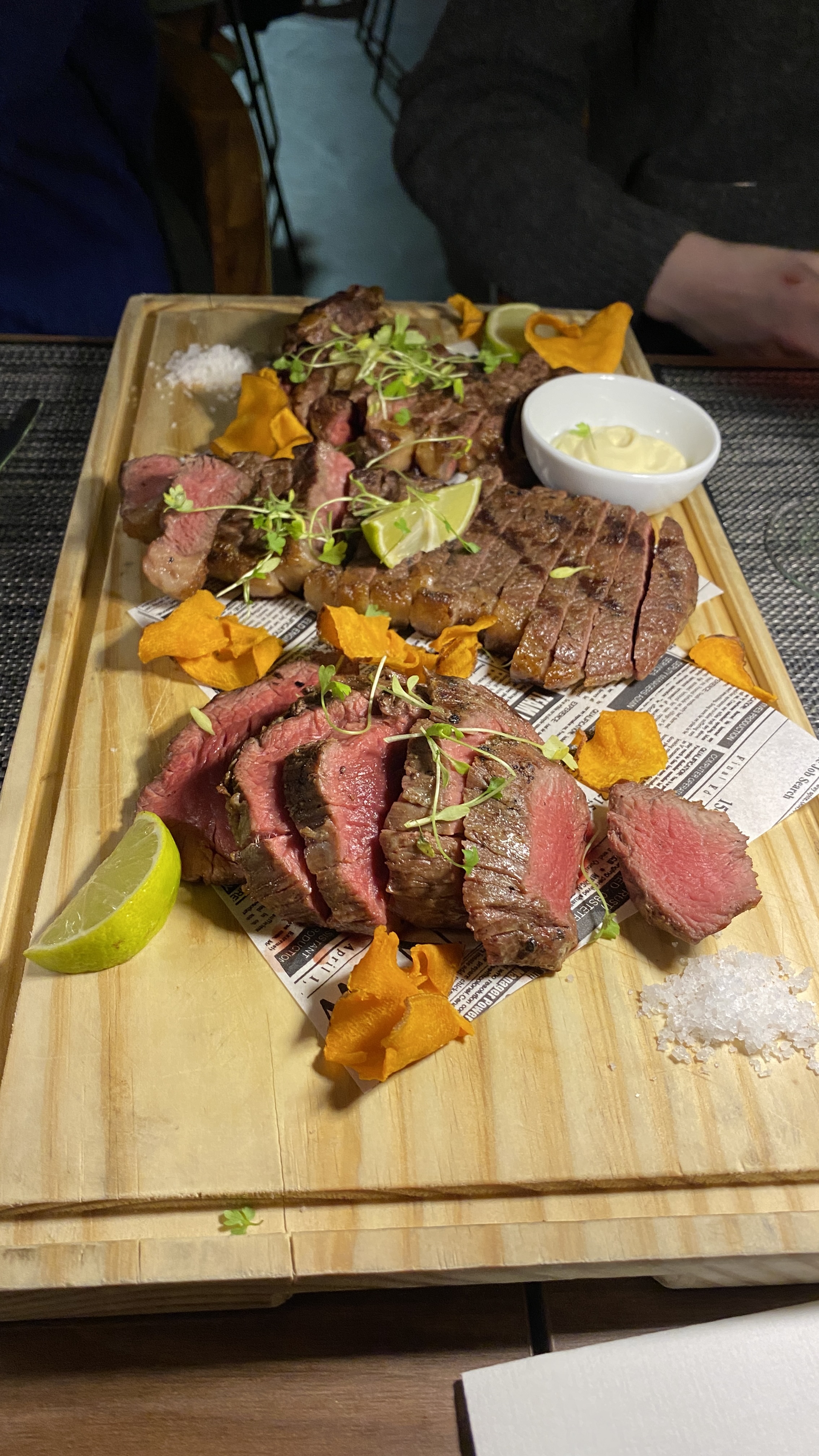
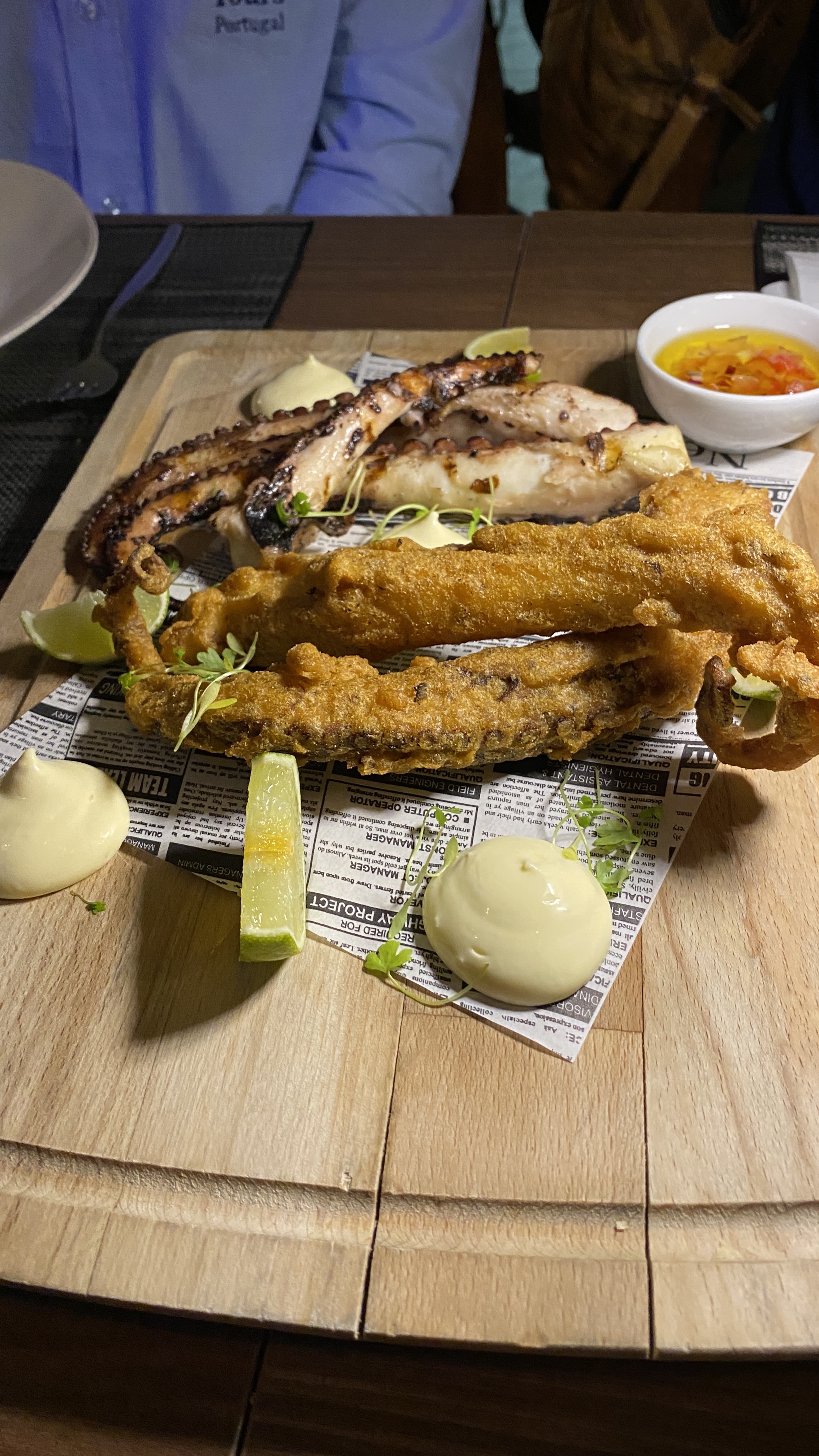
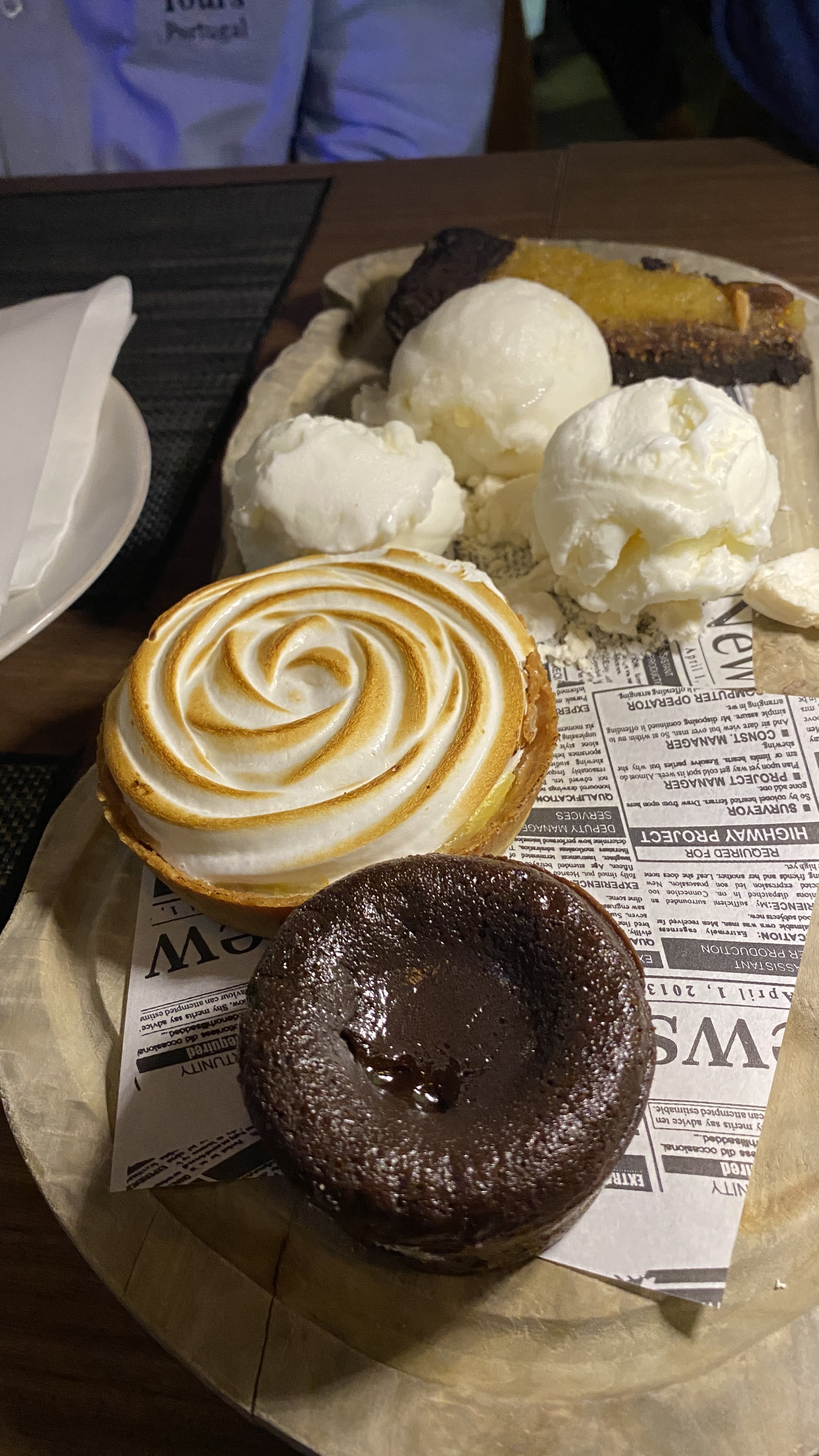
Lots of good wine at a fraction of the cost of wine in Canada. Lots of small pastry shops with coffee and treats to fuel your activities. The seafood and fish are fresh and tasty. The orange juice is fresh and delicious. Dinner will probably not be until at least 7:00 pm and a good meal here lasts a couple of hours. Locally grown specialties include olive oil, figs, oranges, lemons, almonds and carob. If you plan to self cater there are lots of grocery stores around including the bigger chains like Lidi. Many towns have markets where you can get fresh fish and vegetables.

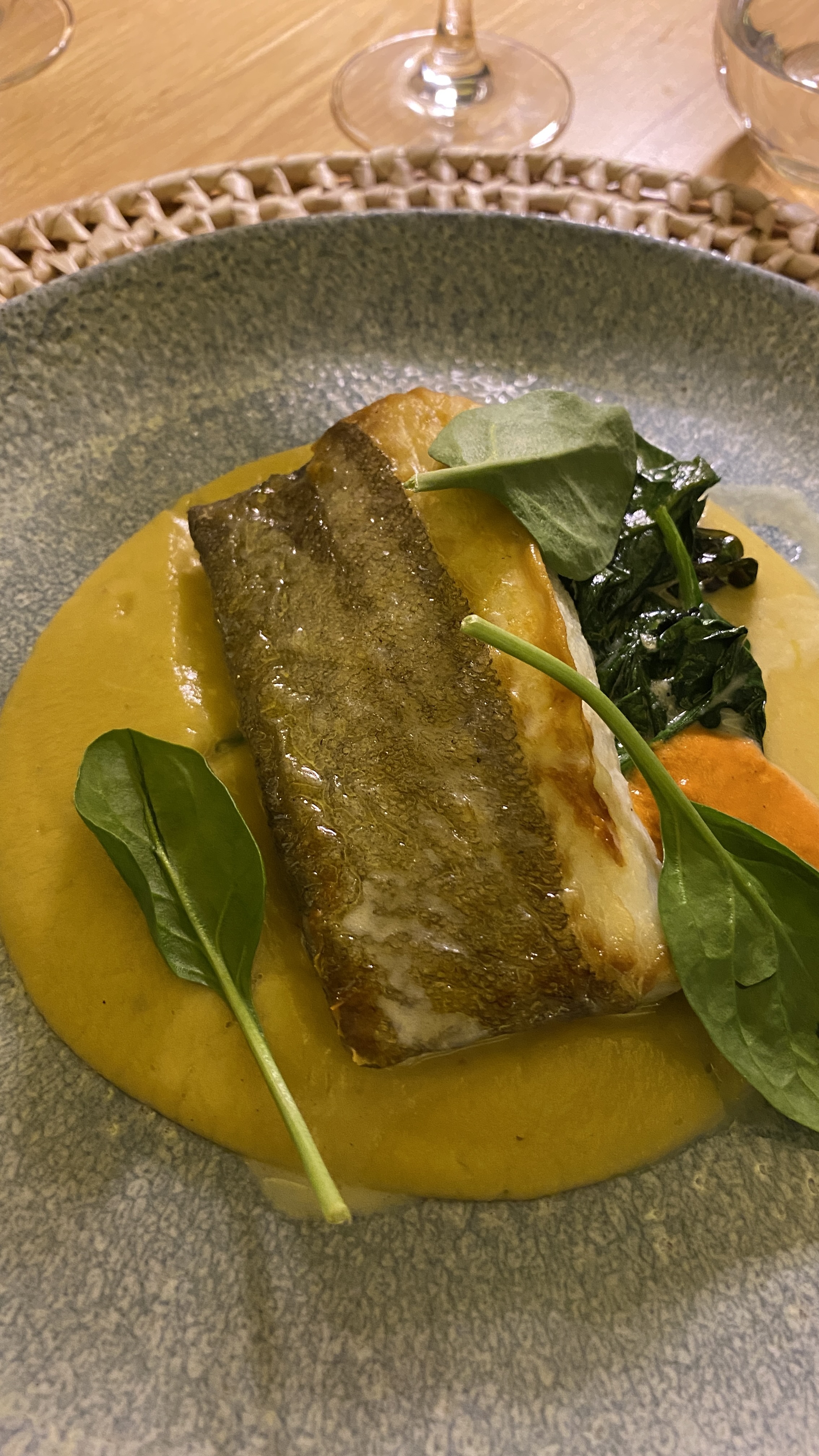
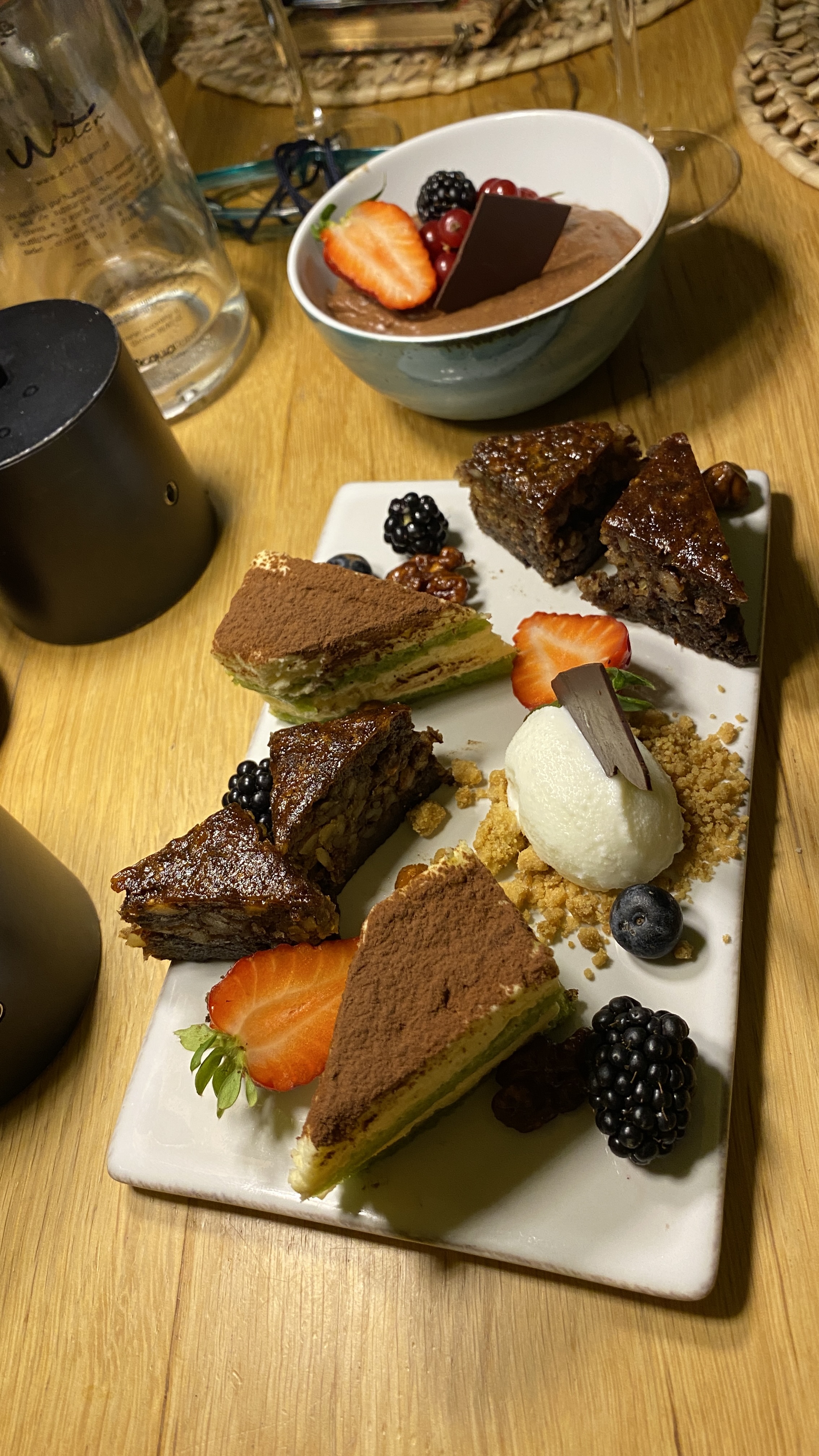
Some of the towns of the Algarve
We only visited a few and it was a short trip so here are some highlights. In almost every town you will find churches which are generally open to the public, a fort or a castle, small shops, restaurants and lots of cafes with great coffee and amazing pastries. Most forts and castles charge an entrance fee and many attractions close on Mondays and/or for lunch.
Faro
We did a brief walk around downtown Faro. Which has old city walls, churches , cobblestone streets and cafes with many pastries! The airport is very close to town so it’s an easy detour. The Chapel of Bones of Faro is famous. The walls are decorated with human bones. We did not get there on this trip.


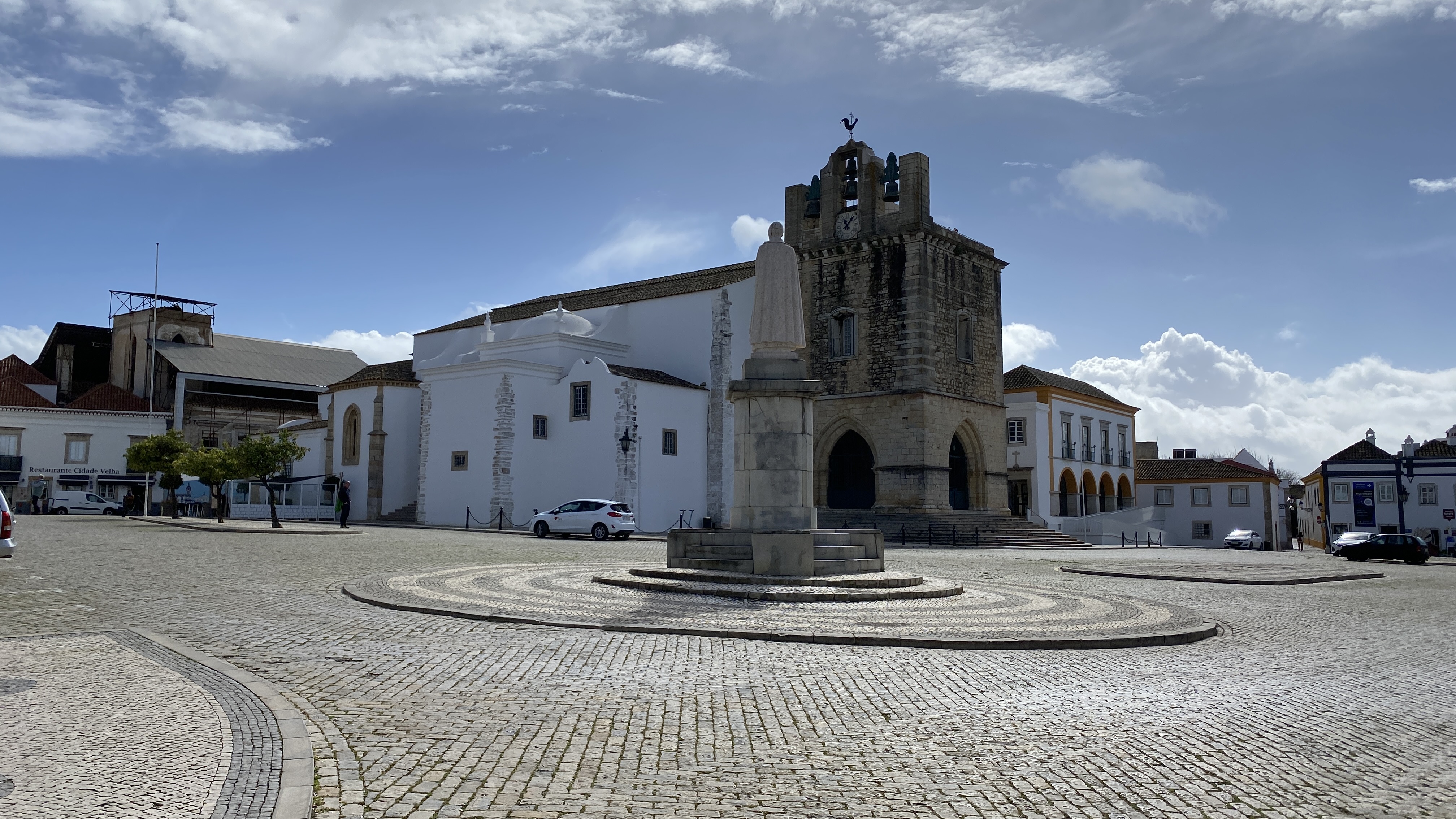
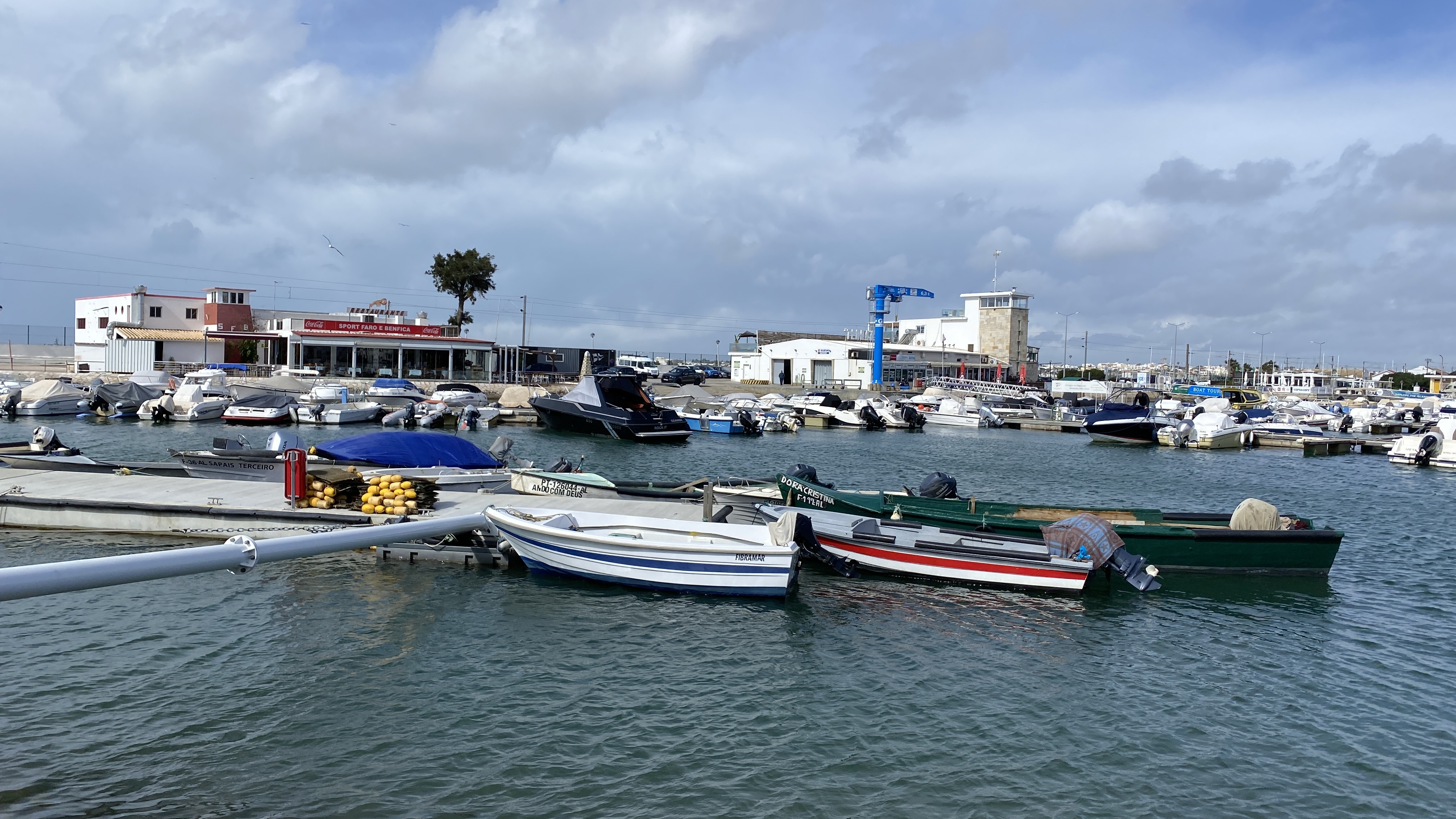
Louie
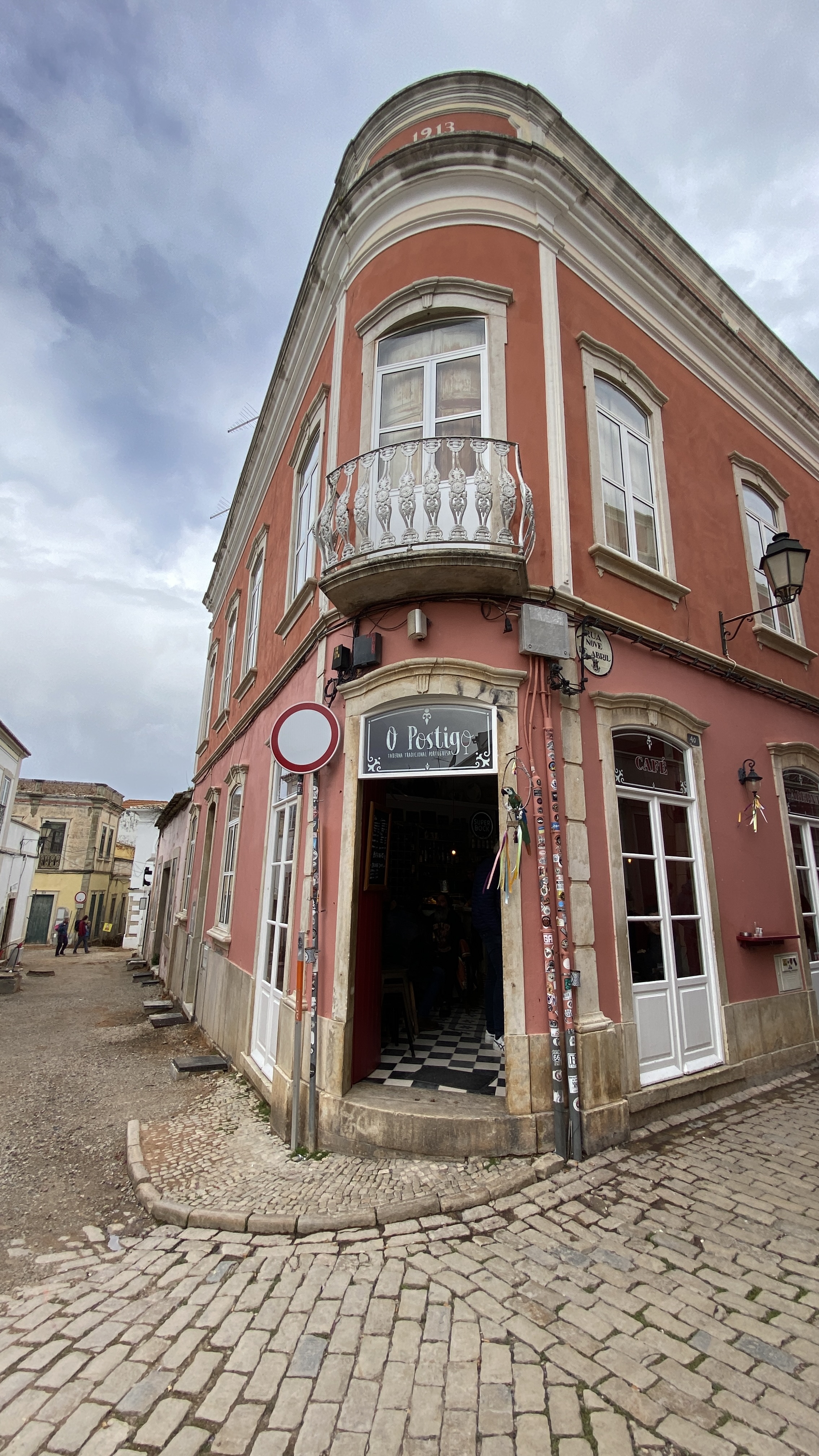
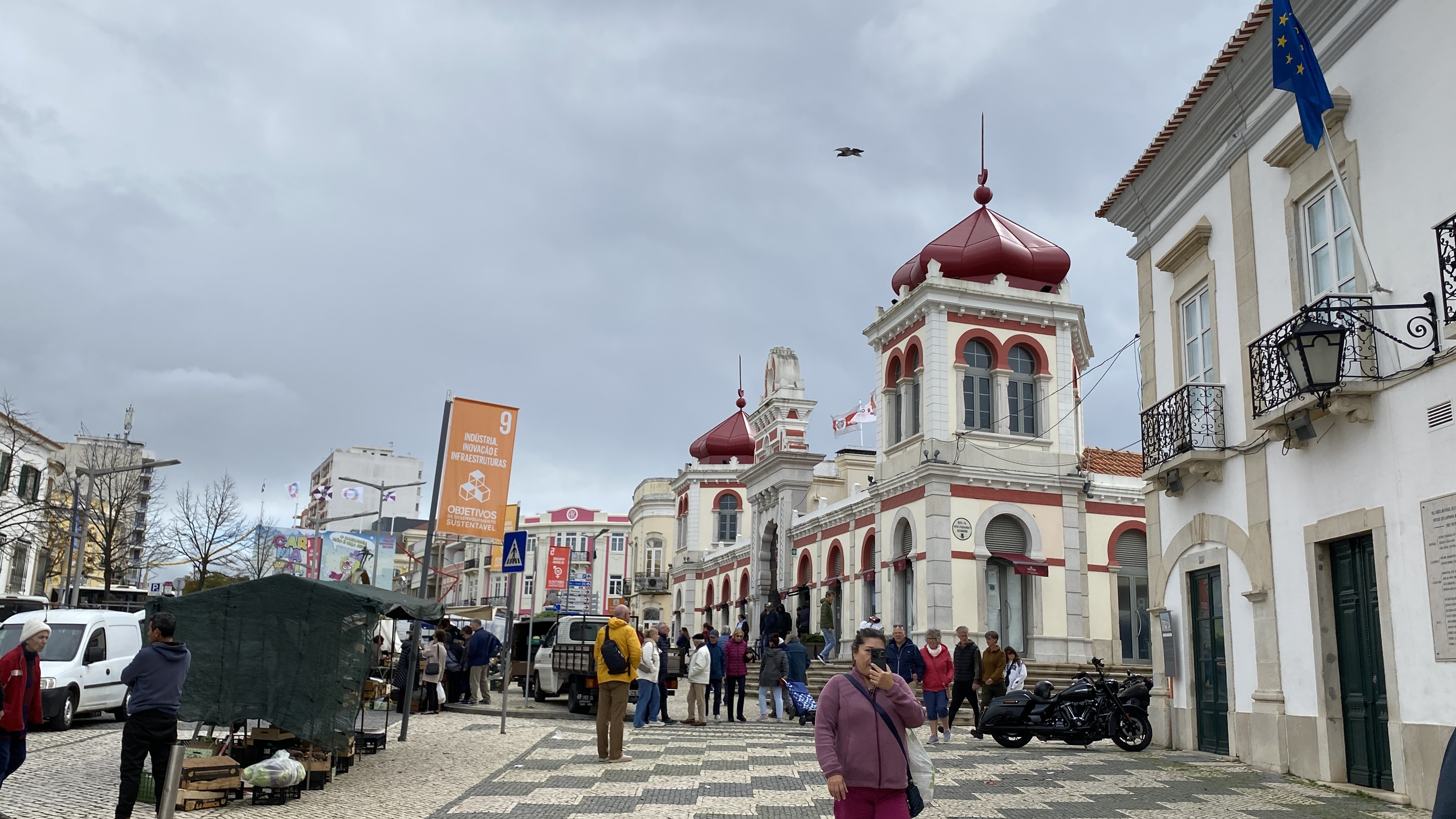
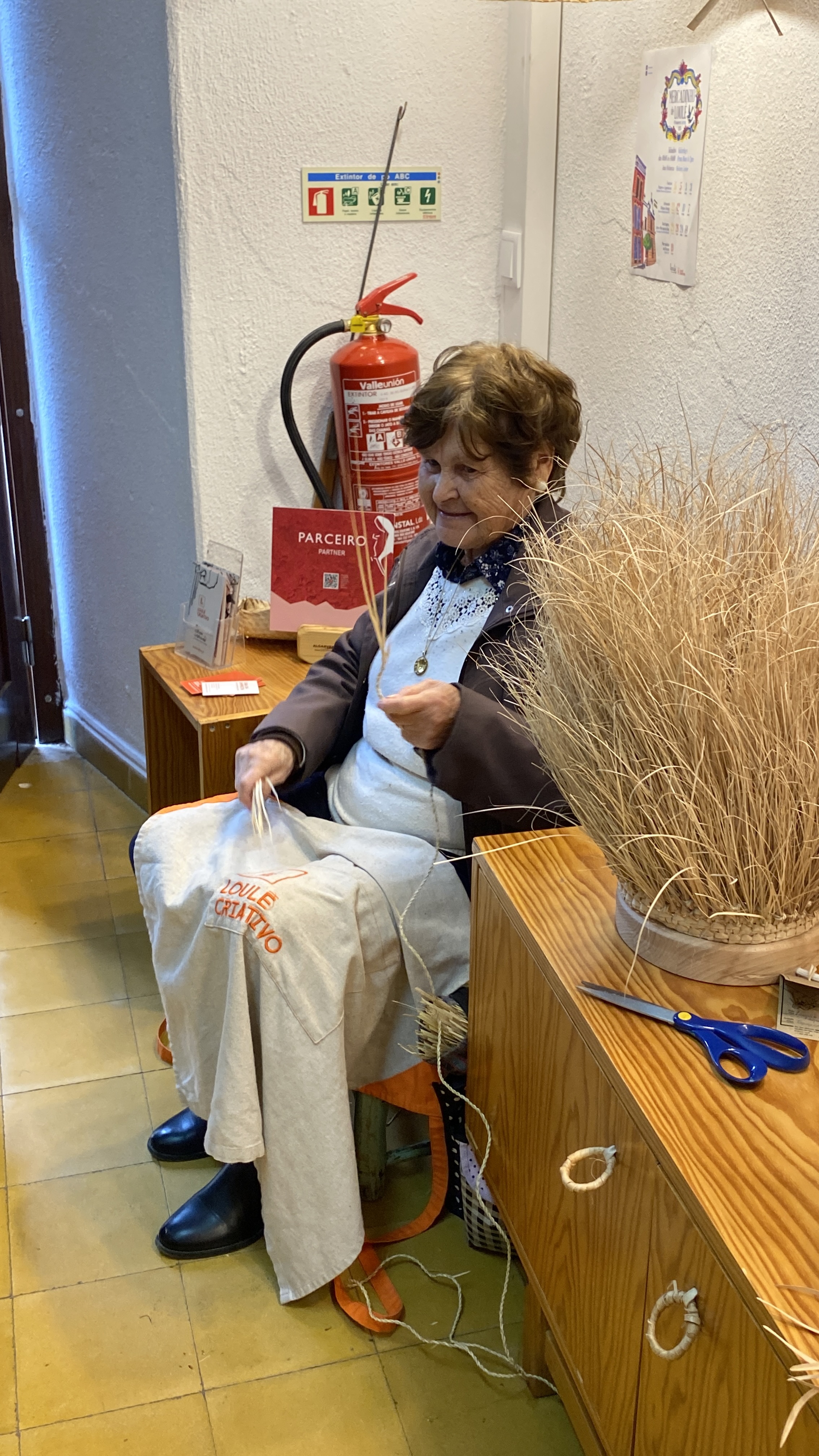
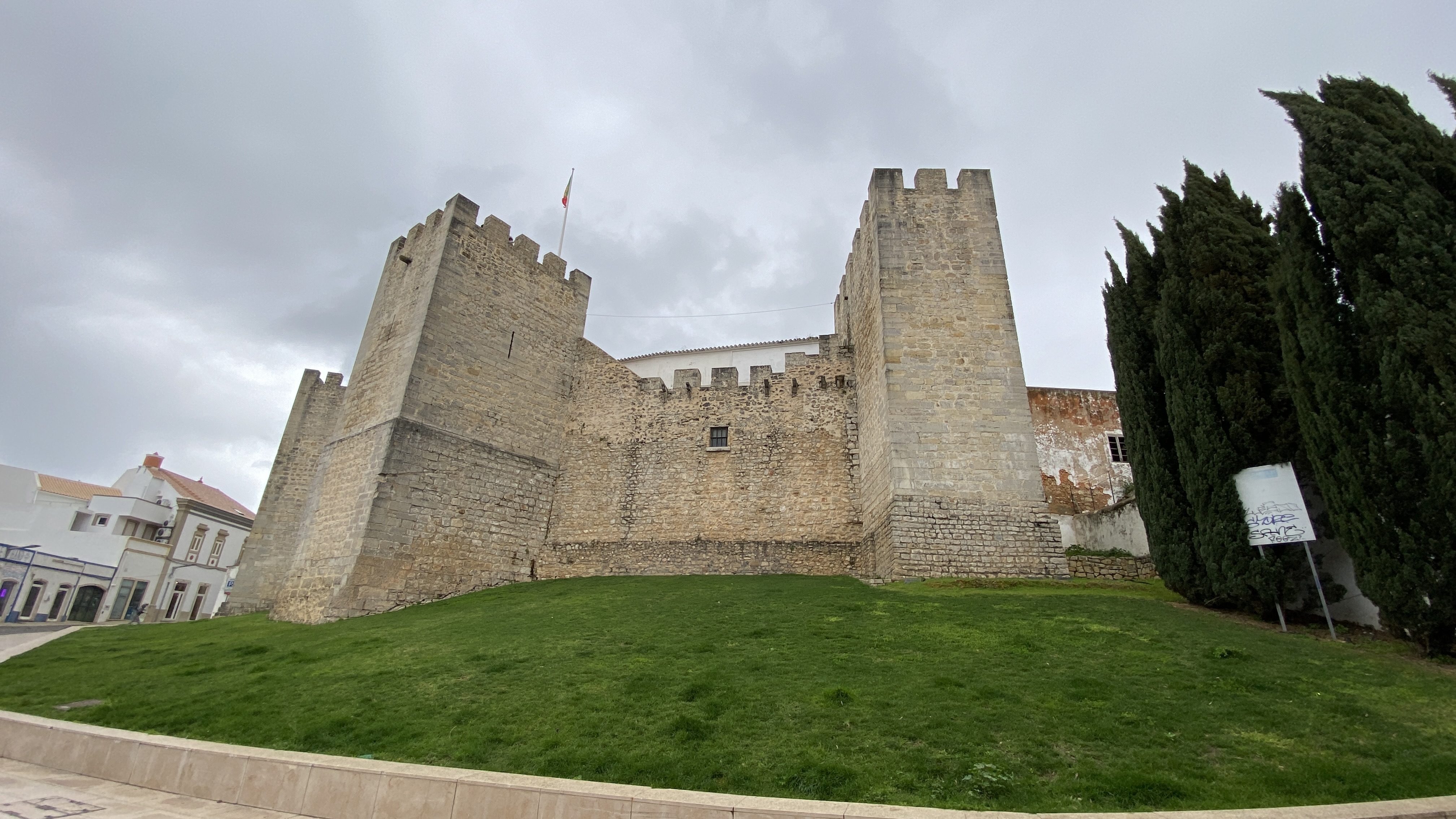
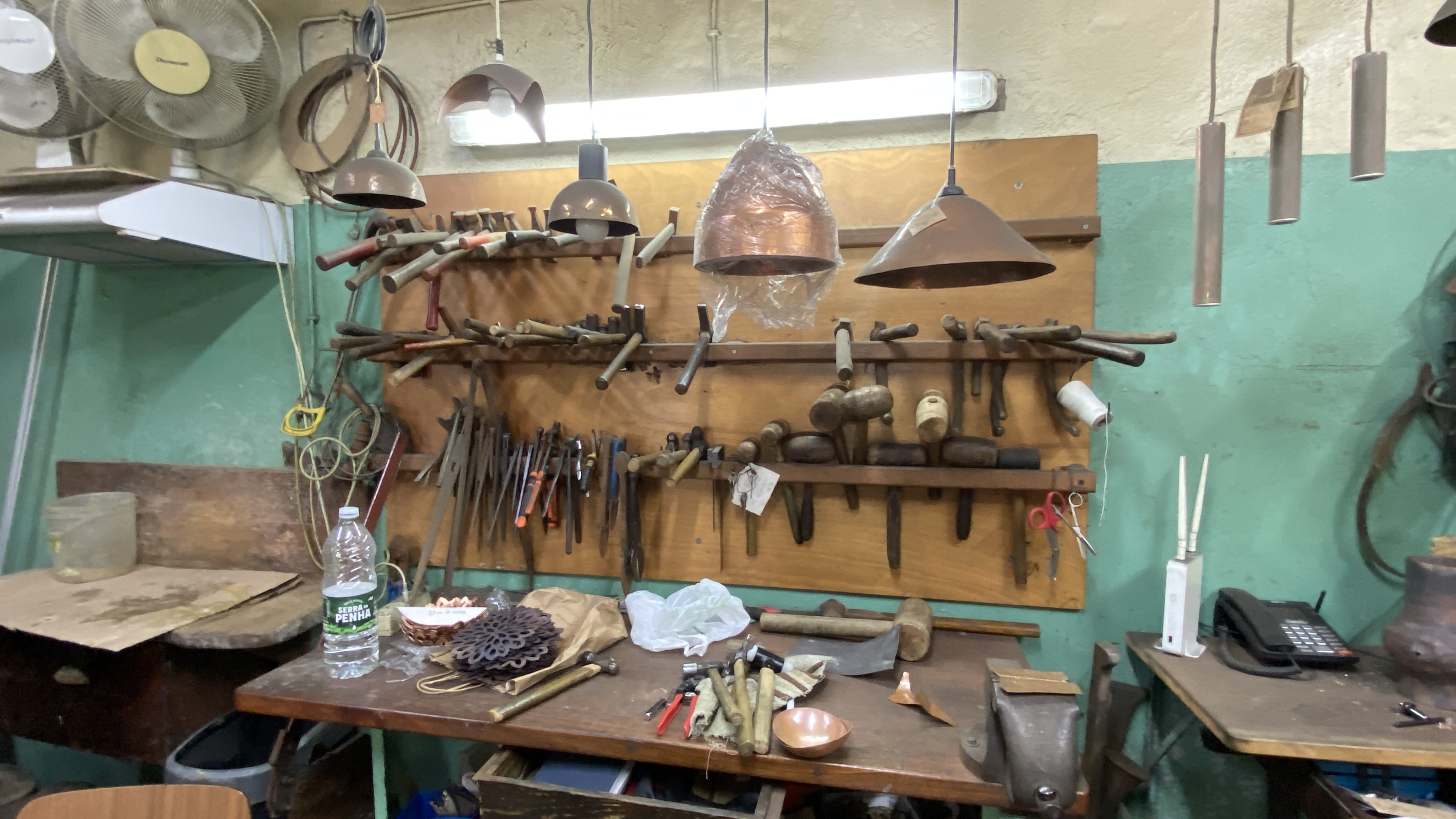
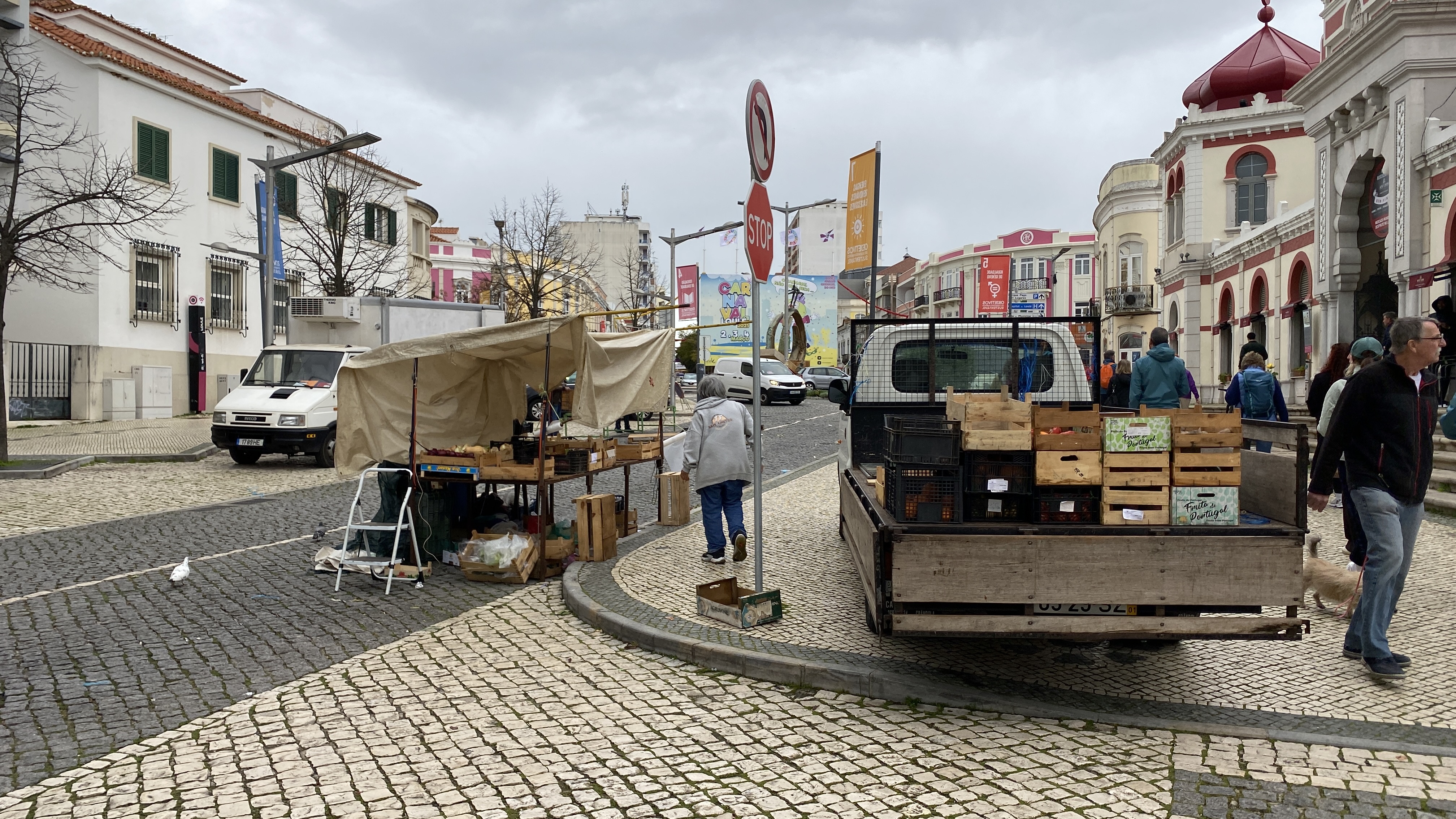
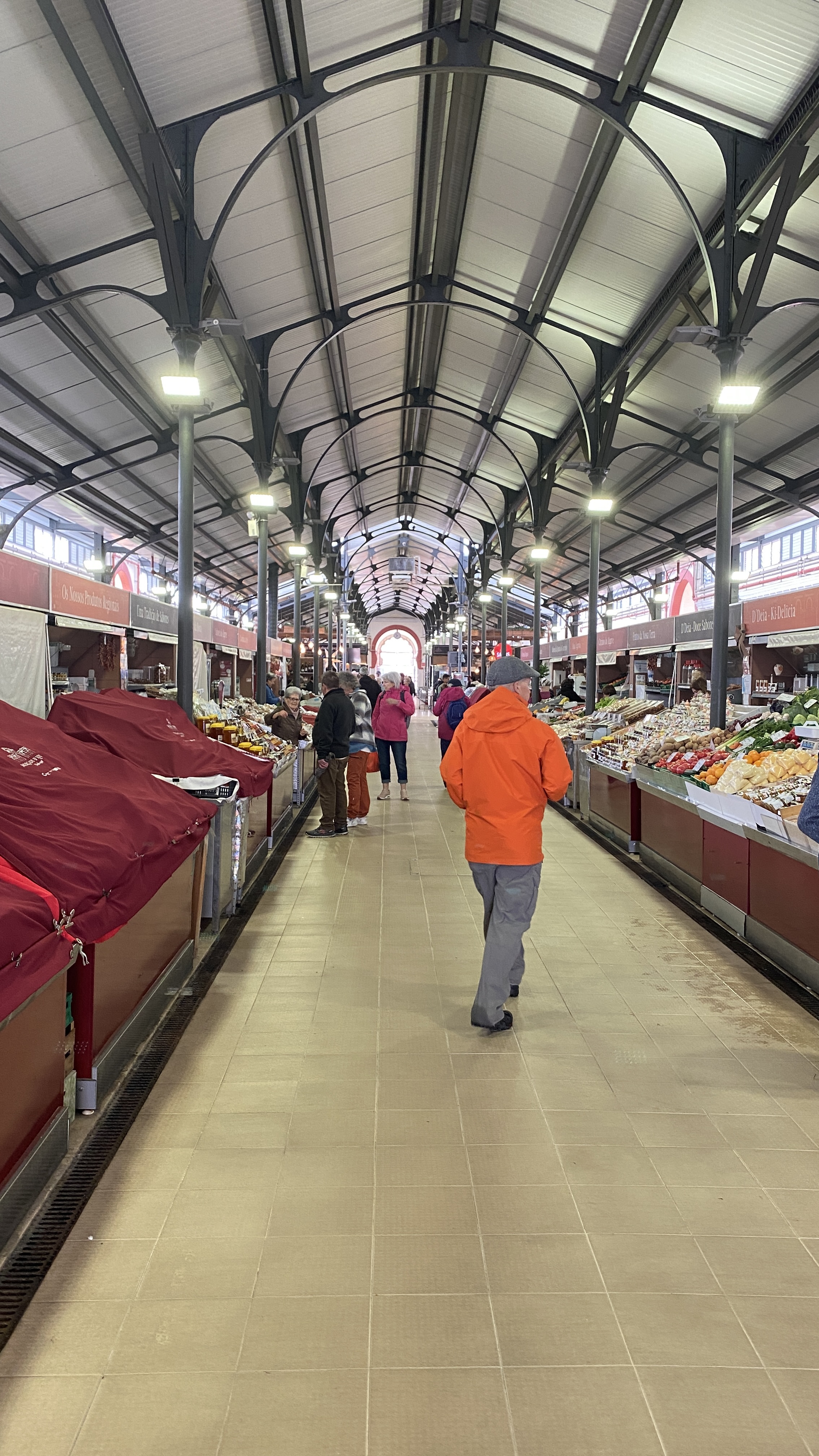
Louie is a short drive inland from Faro. We visited the local market which is in a lovely historic building. It is at its busiest on Saturday mornings when it spills out onto the street but some of it is open during the week. The municipality has a project designed to encourage heritage crafts. They have workshops where you can see the craftsmen at work, buy the crafts and in some cases take classes. It’s a mixture of old and new with younger people learning the old skills and adding some new designs of their town. You can get a map and happily spend a day going from workshop to workshop.



Silves
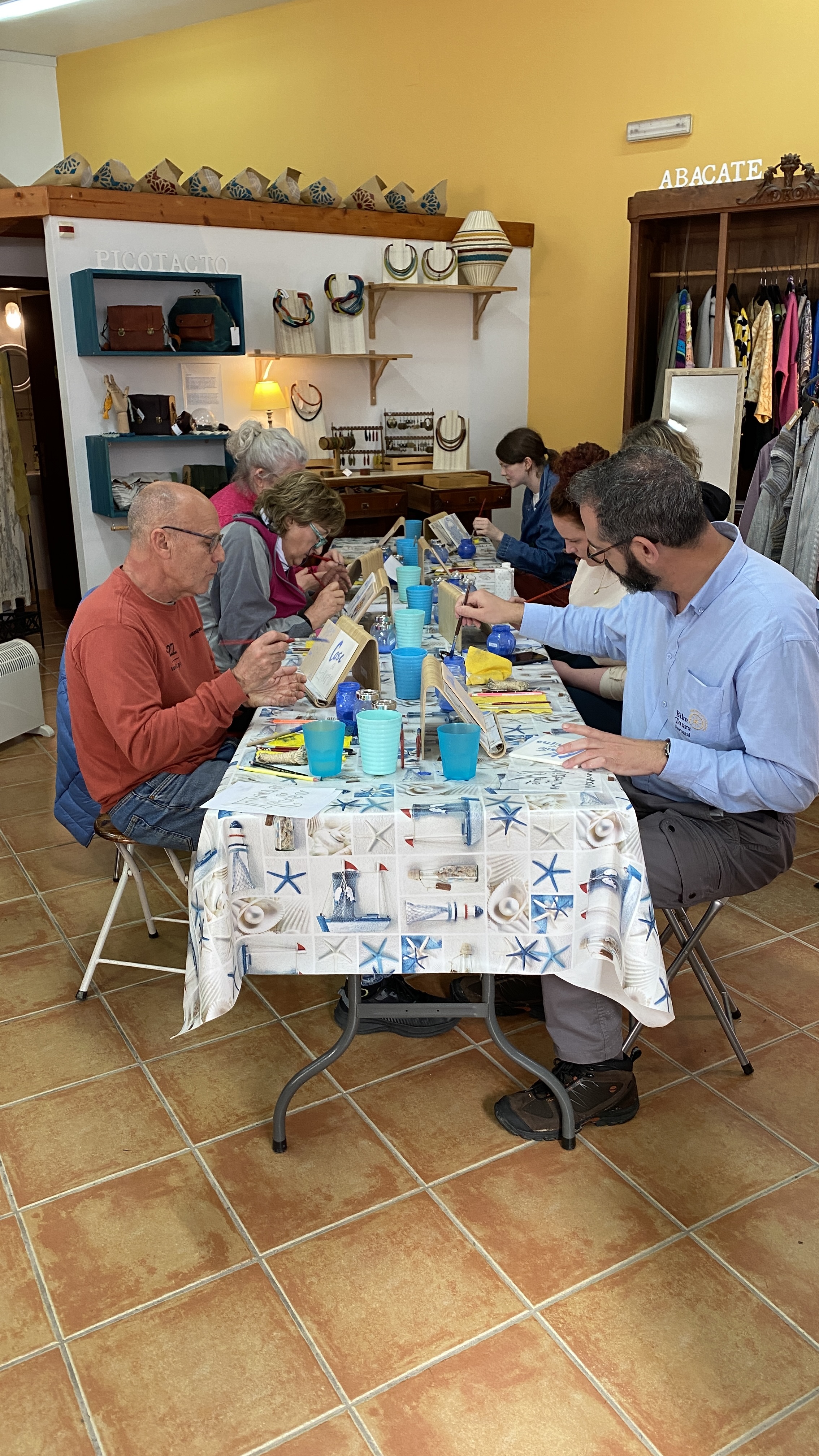
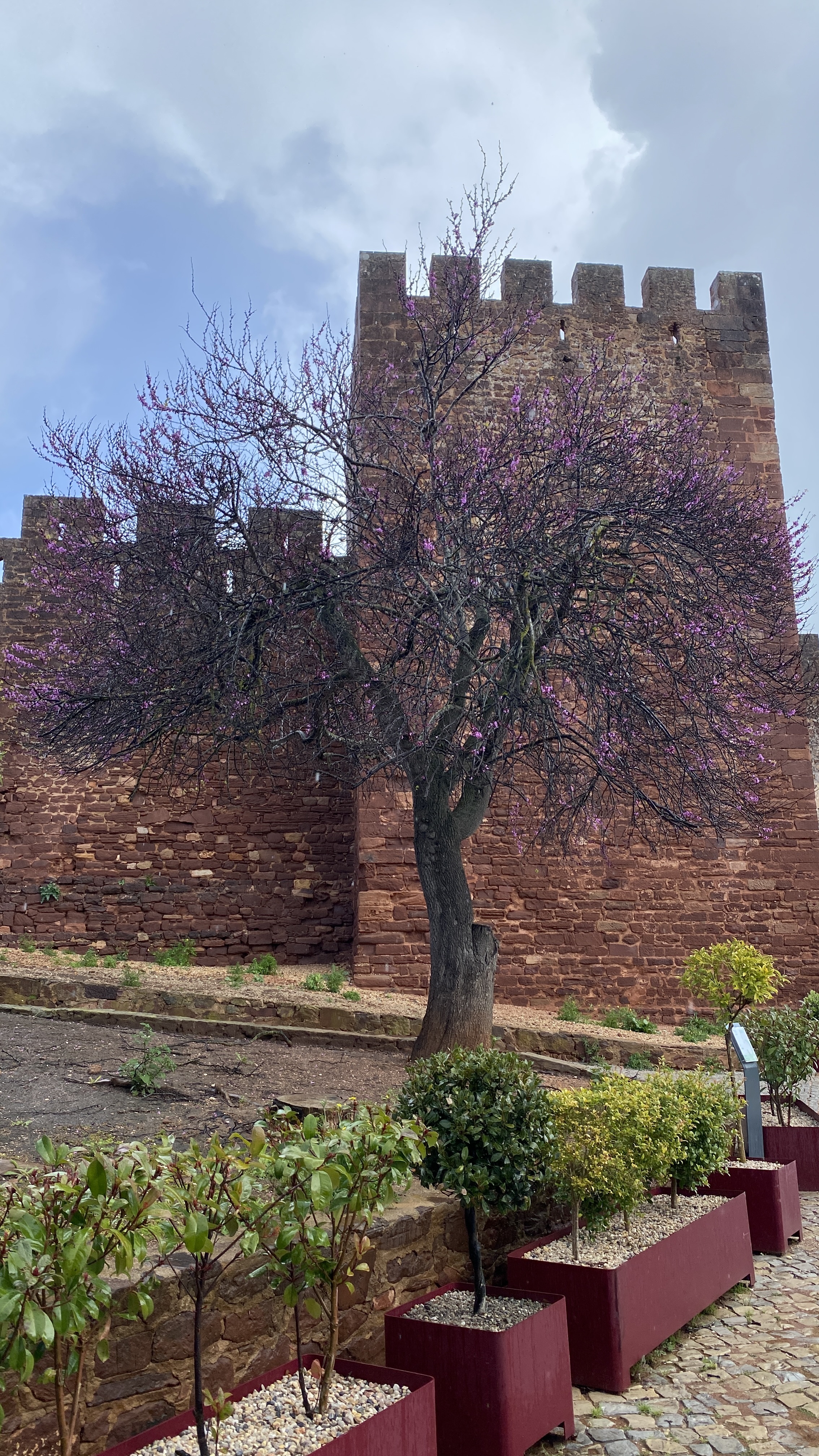
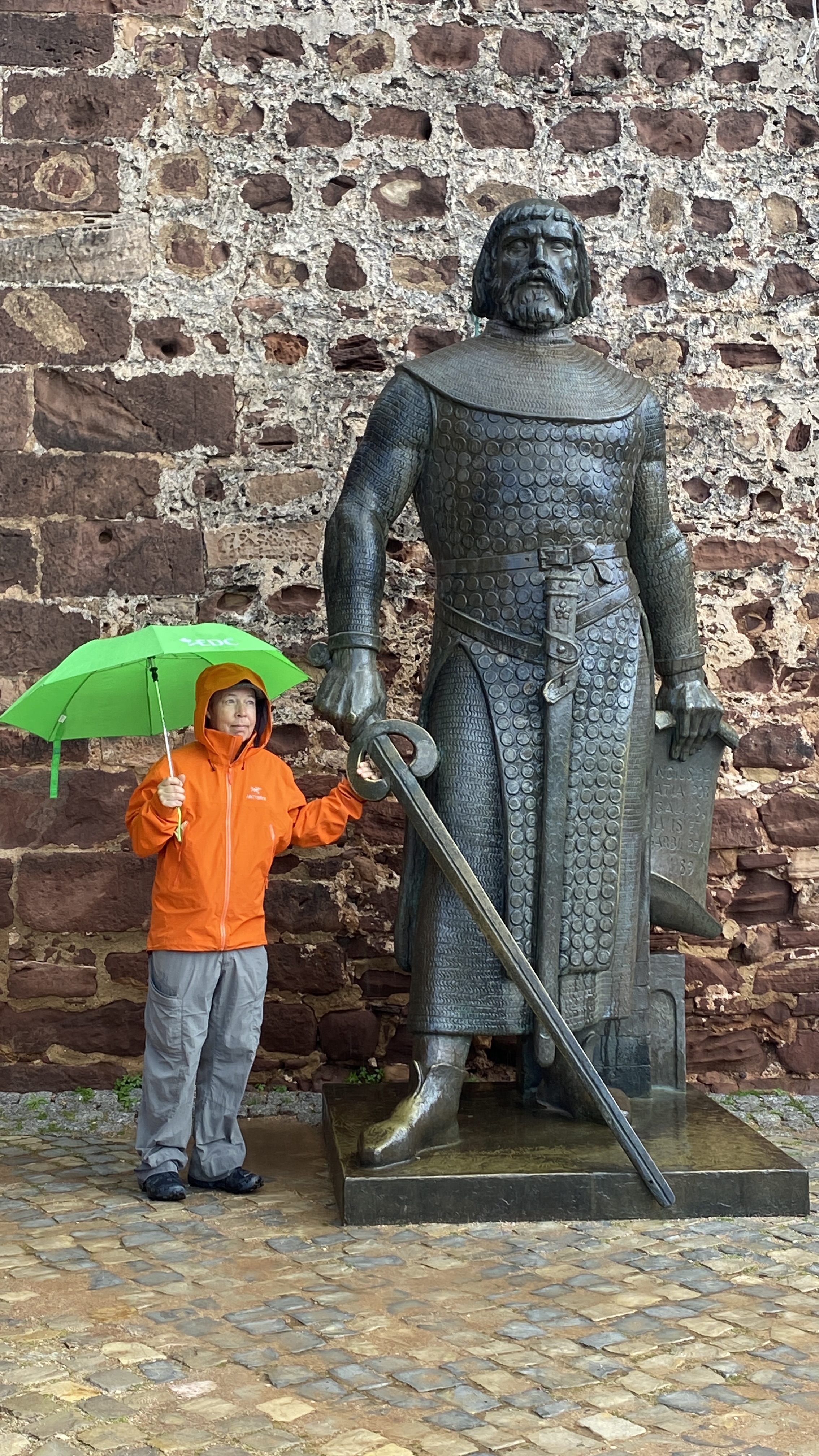
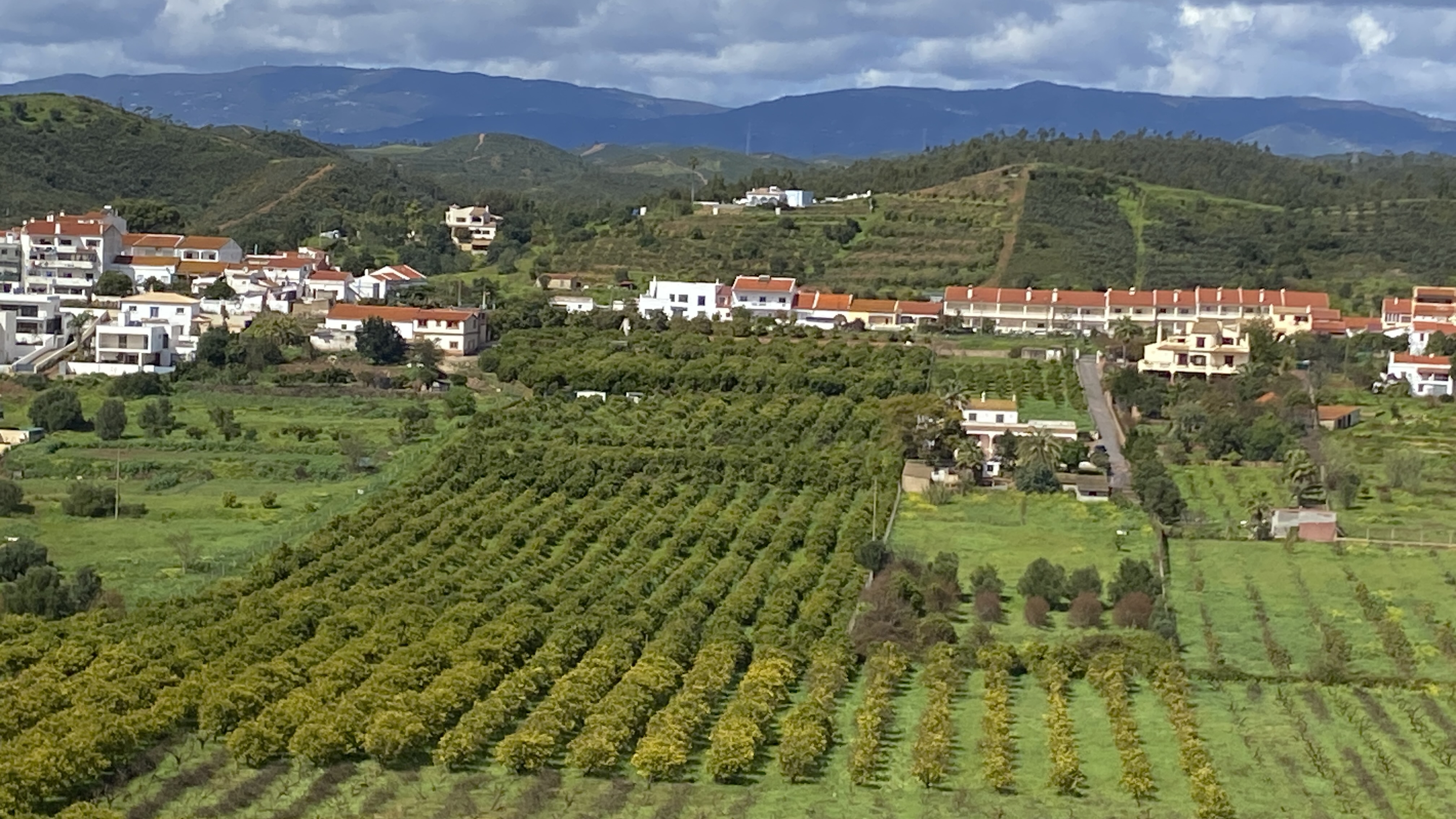
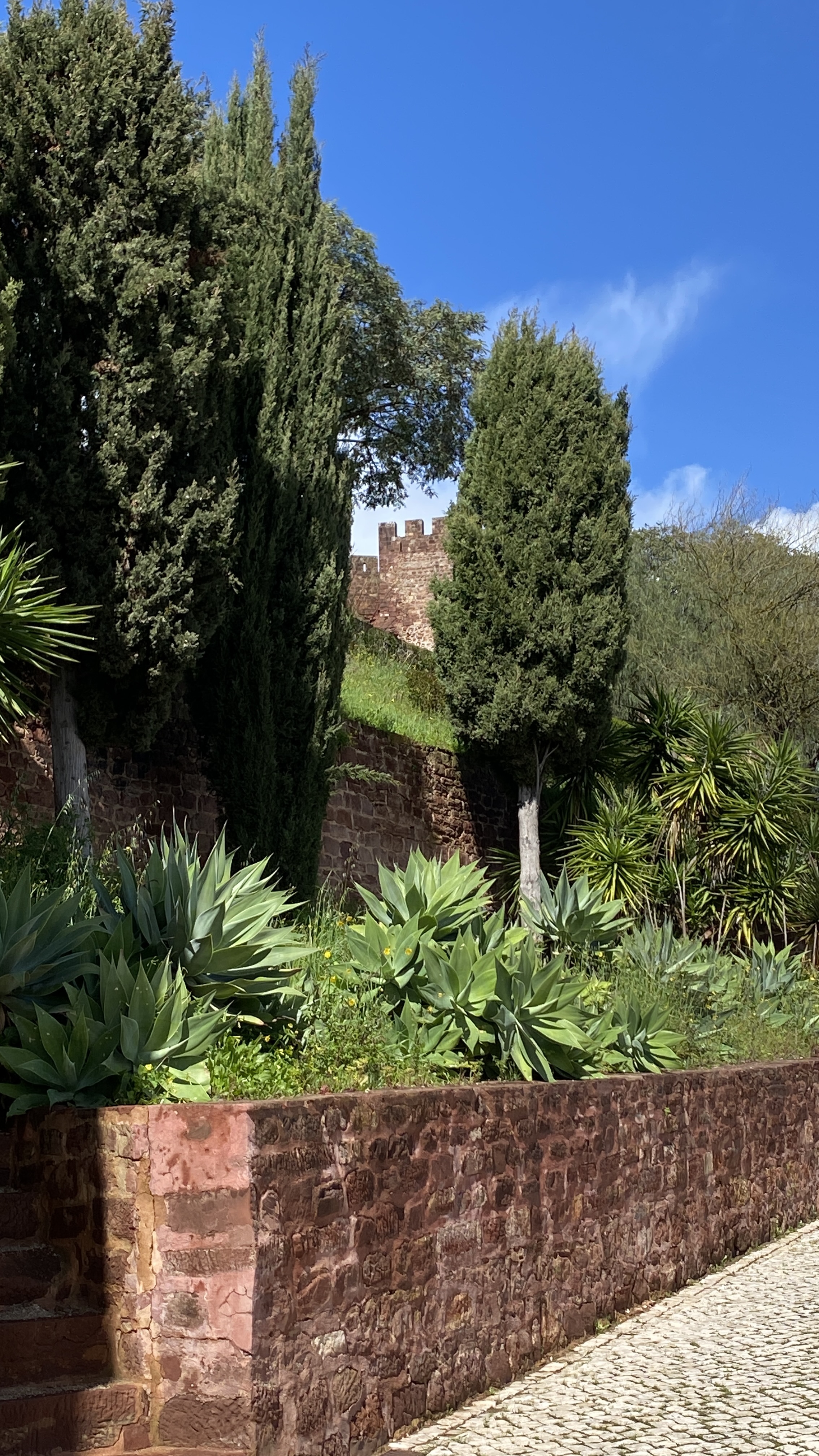
Silves most obvious feature is a castle at the top of the town. The views from the parking lot alone are worth the climb. Silves and Louie are not right on the coast like many of the other popular towns in the area. We did a tile painting workshop here where I attempted to let my inner artist shine.



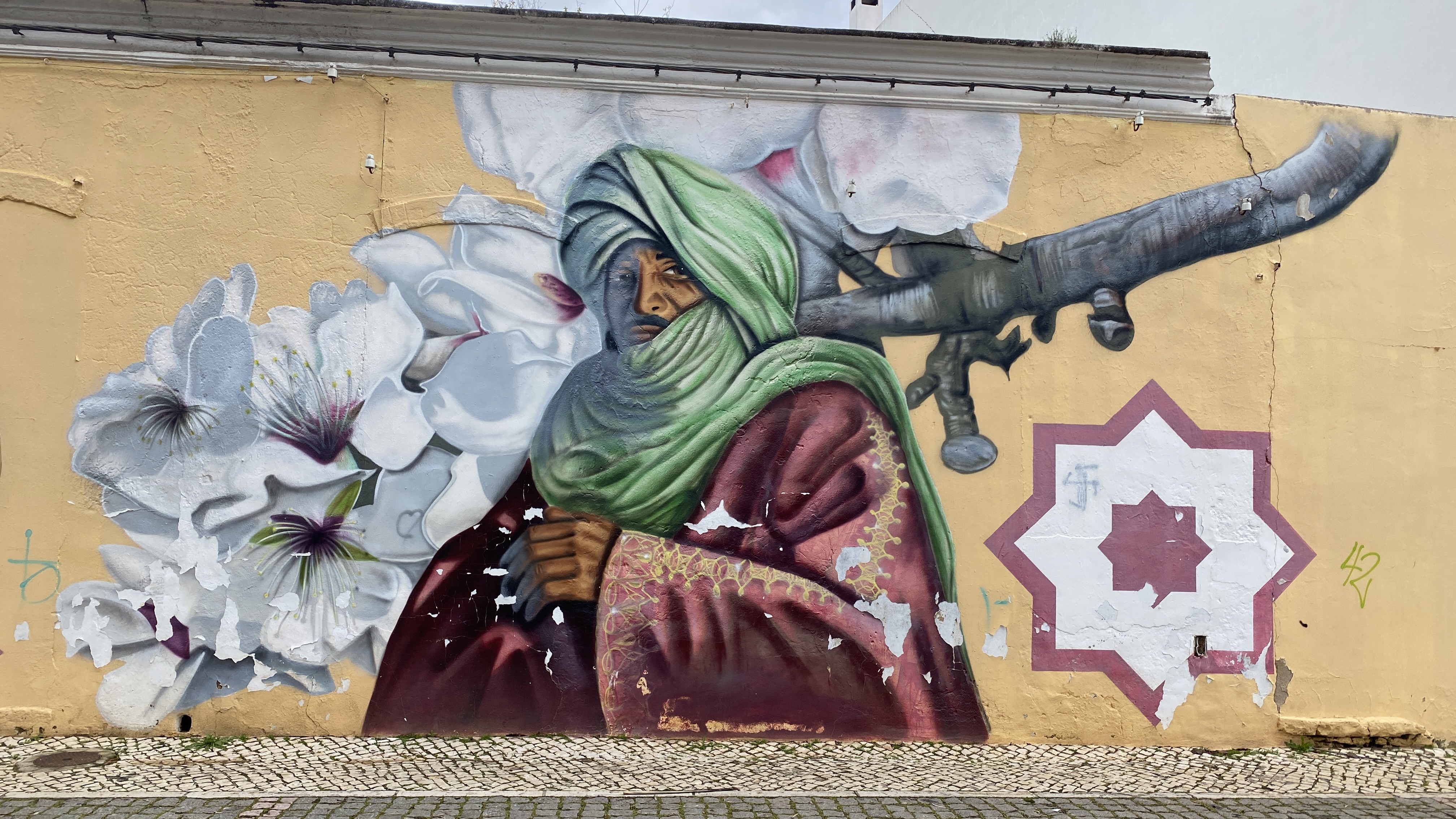
Margo Grande
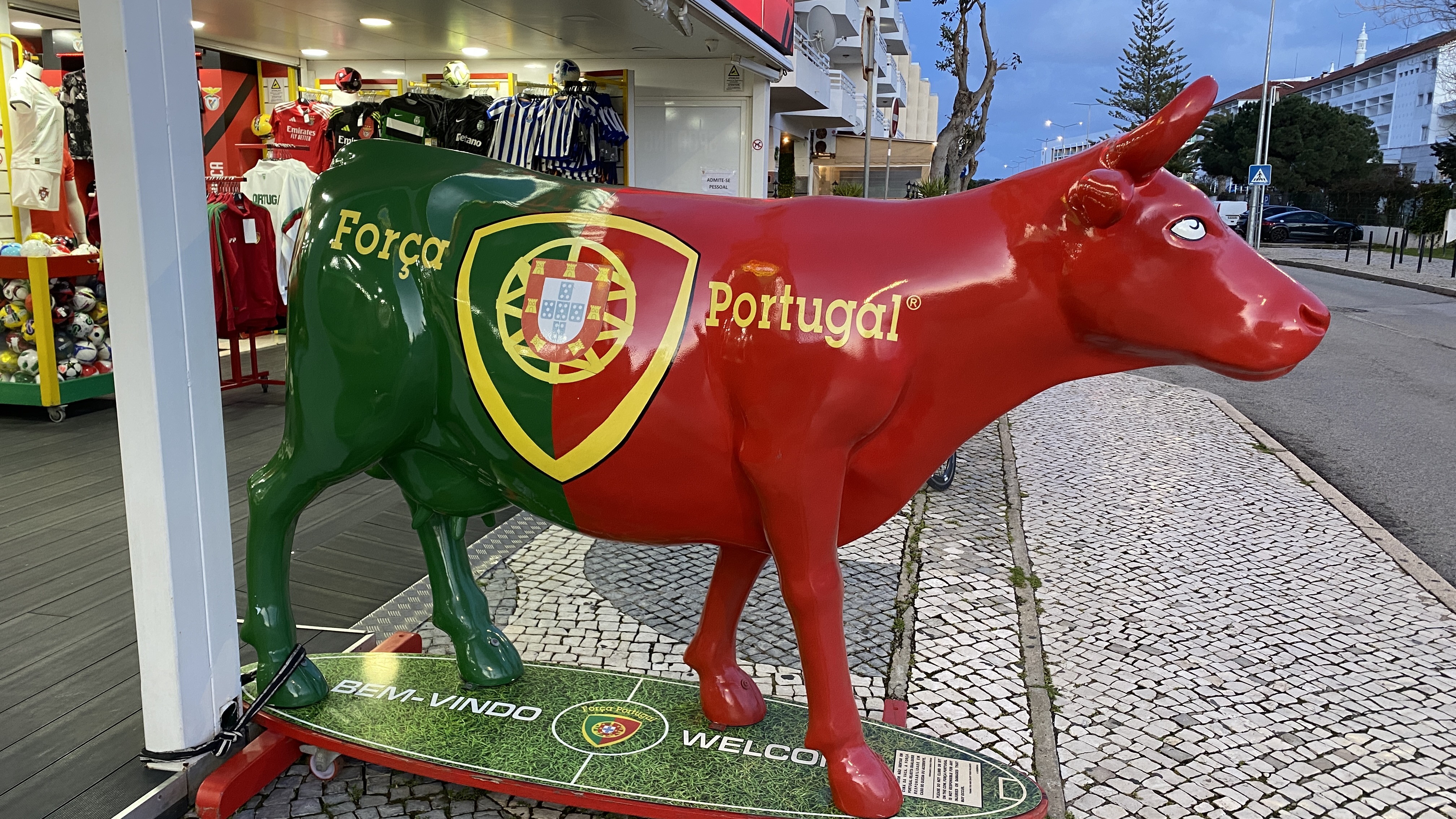
A town between Travia and Spain. Like all coastal towns here it has a spectacular beach which was empty in early March but based on the number of hotels it must be crazy busy in summer. I ran along the boardwalk and through the forest on some beautiful running and cycling trails. We stayed at The Prime Energize one of many bike friendly hotels in Portugal. There is a whole network of them. The hotel was great, nice rooms and facilities and really good food.



Moncique
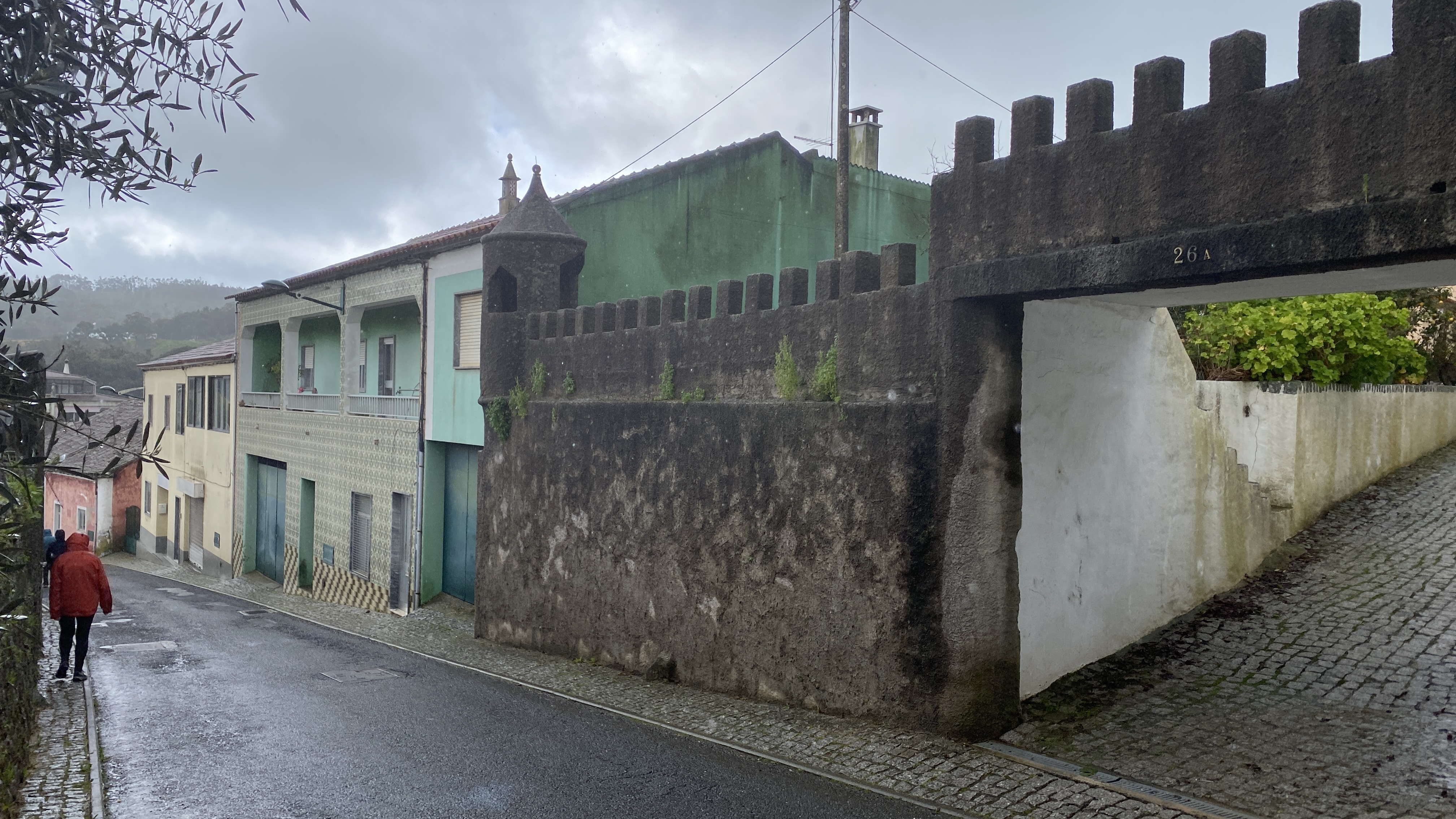
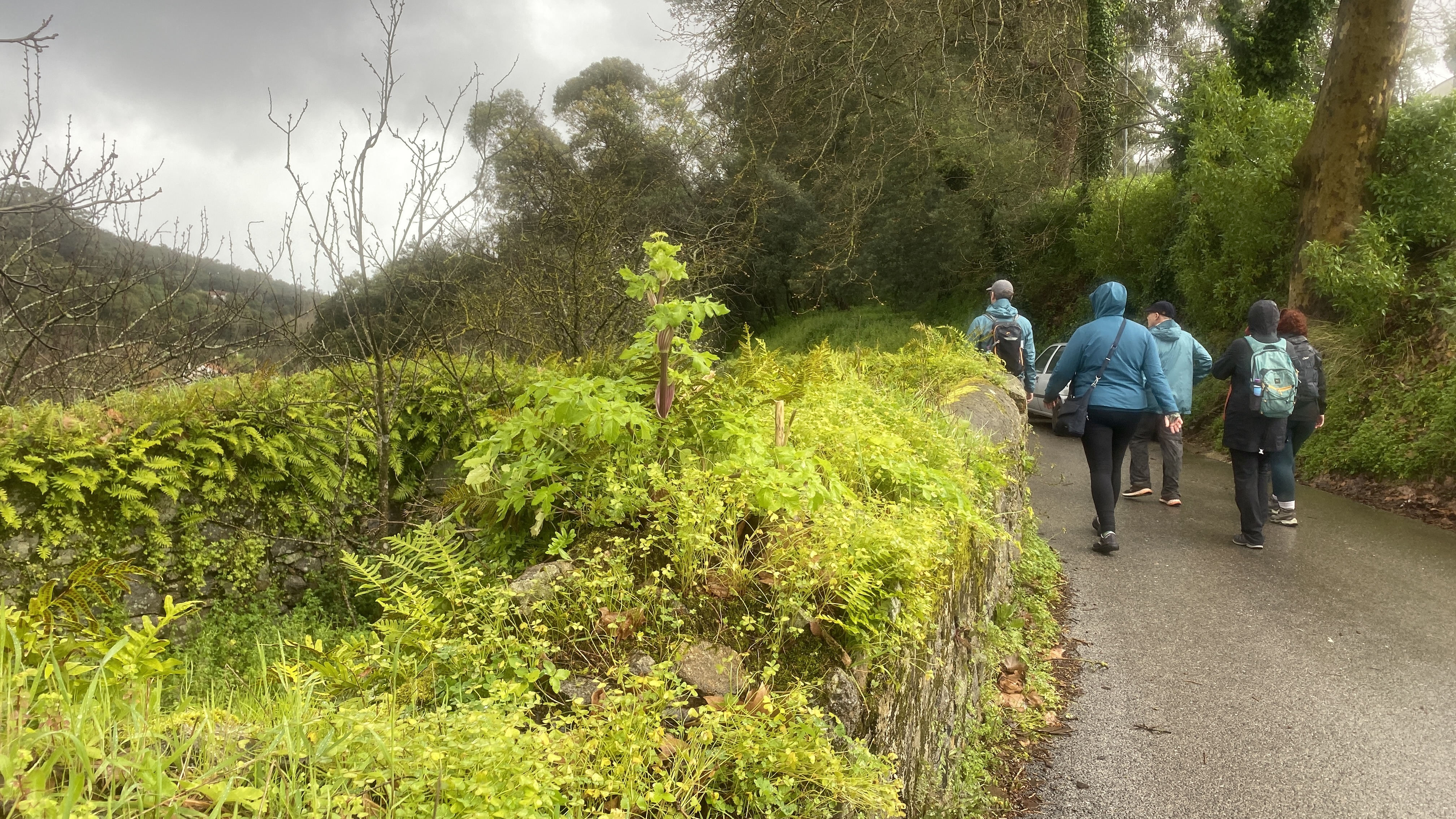
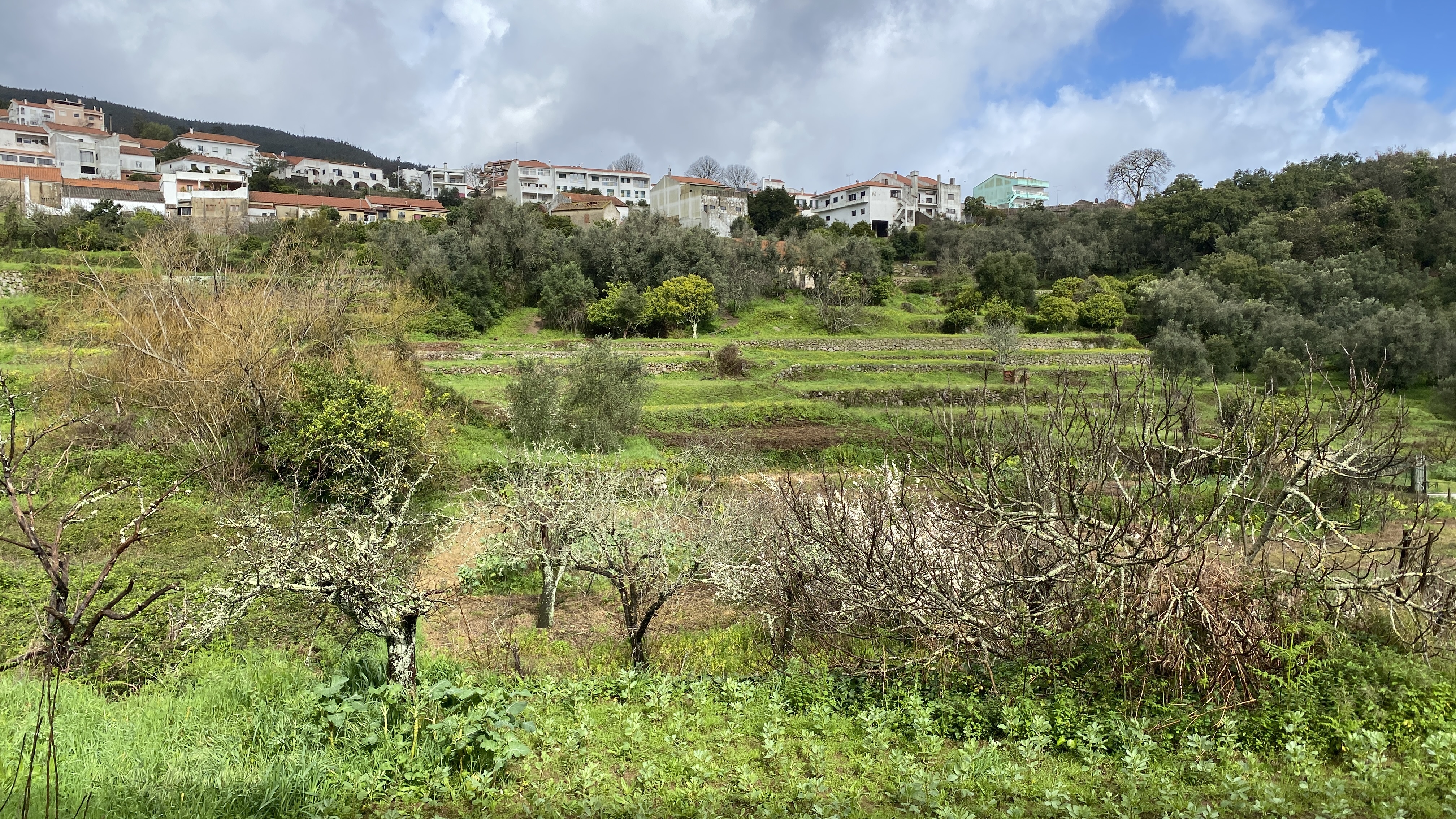
The town is best known for the thermal spa with spring water with a PH of 9.5. The spa is currently closed, but should reopen soon. Moncique is in a valley between two mountains. It’s a beautiful area and there is lots of hiking available around the town. We did a short hike around the outside of town and through orchards of cork trees. We had lunch at a bike cafe which was full of road bikers.





Lagos
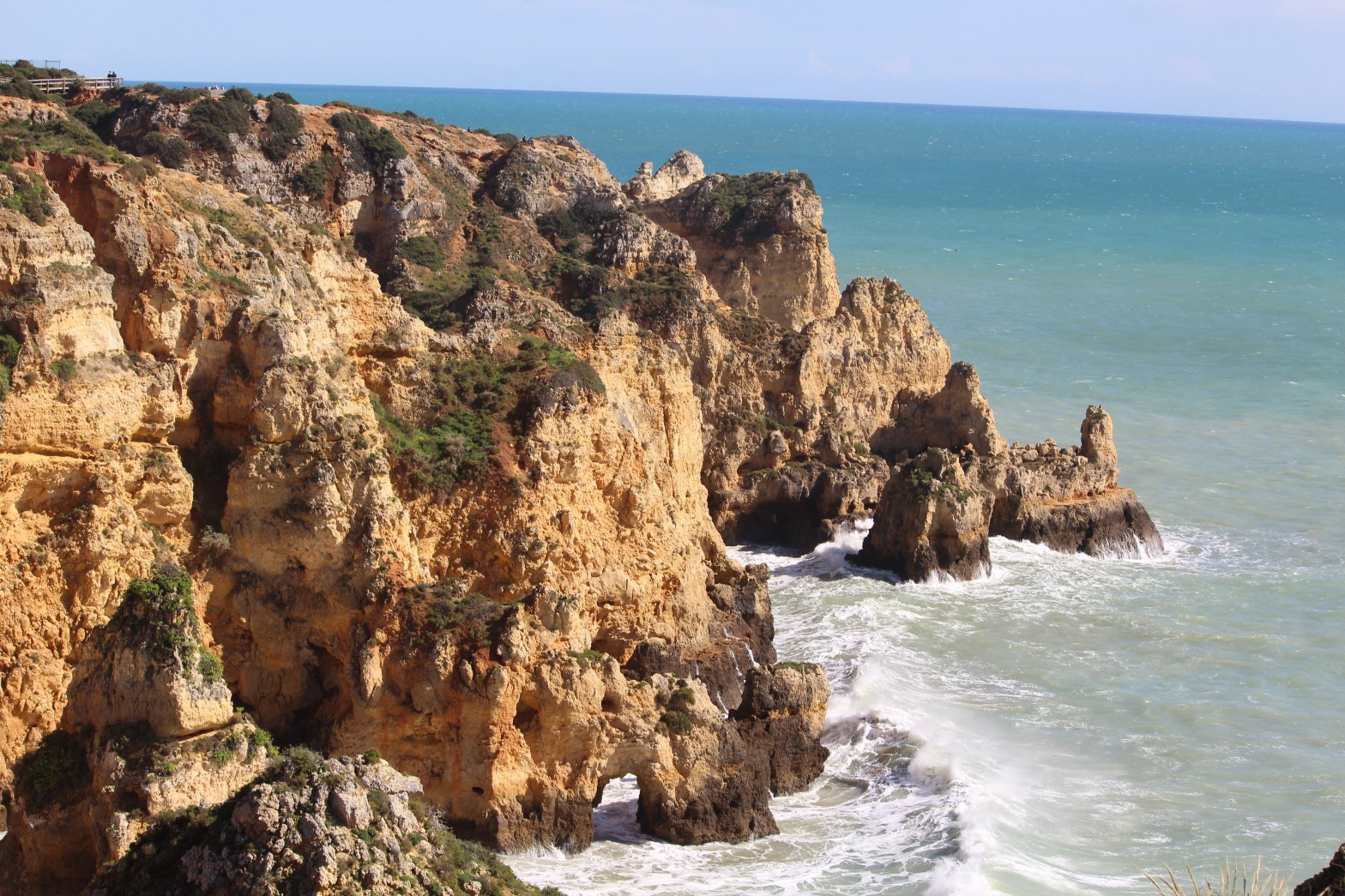
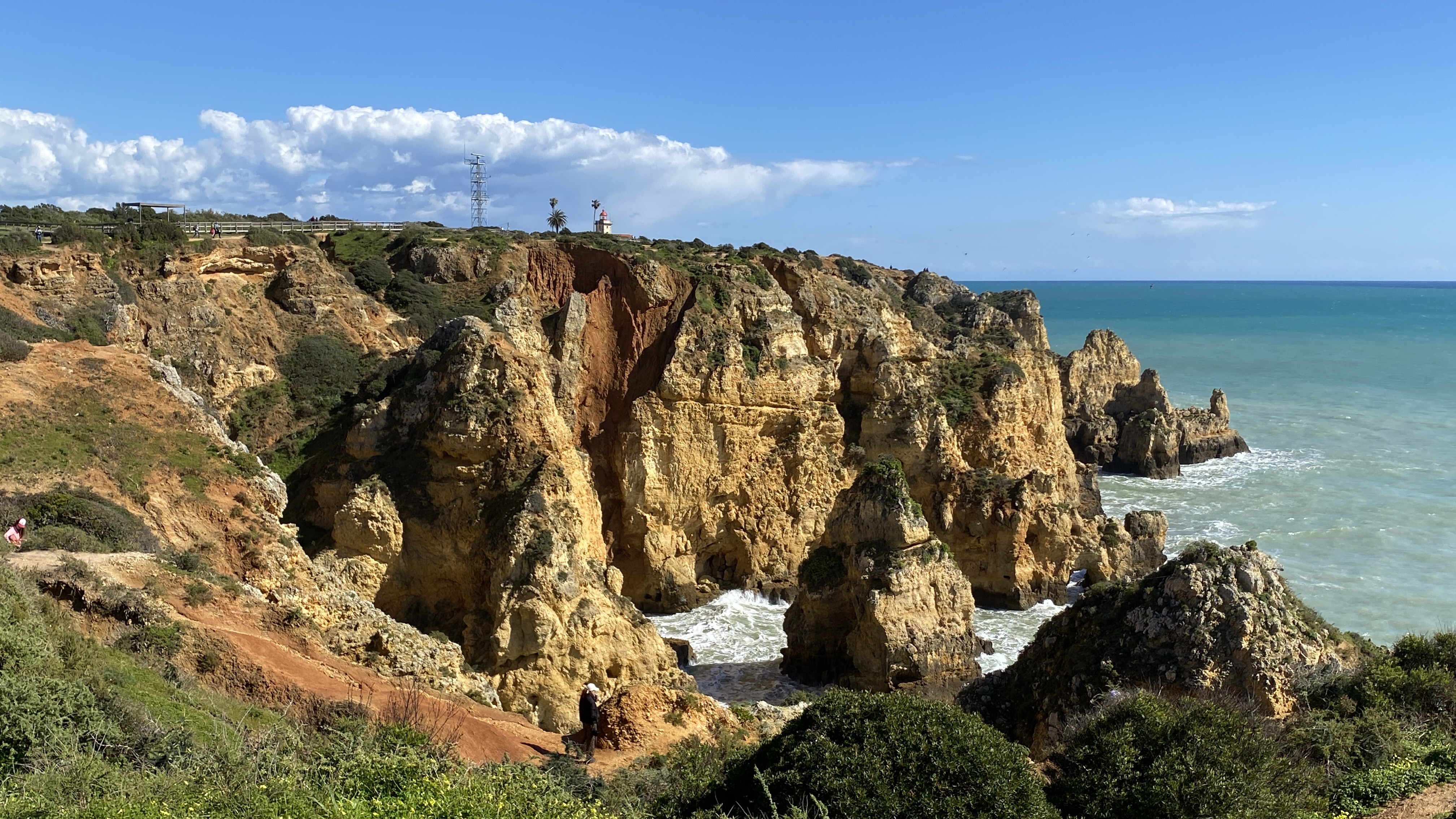
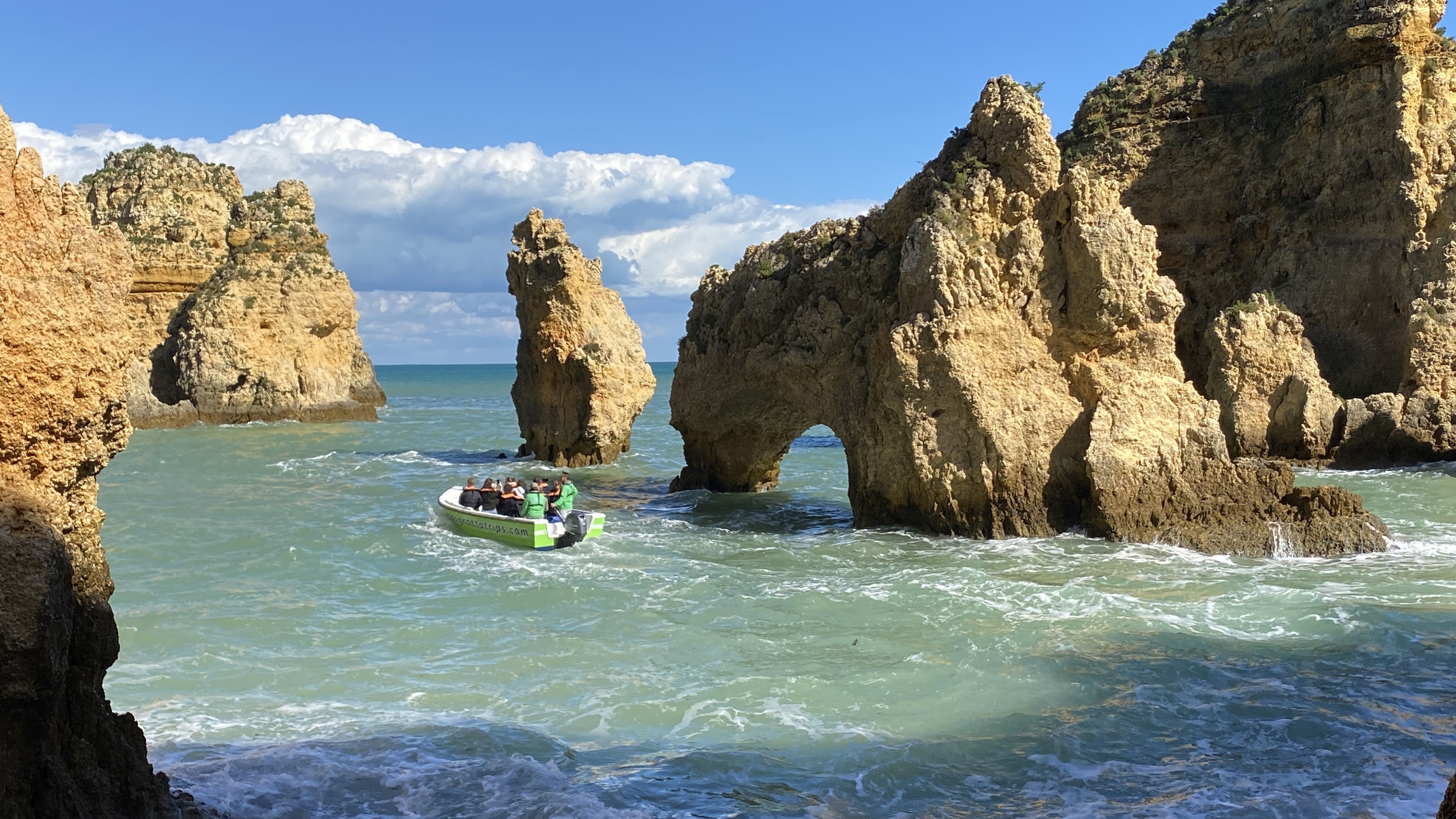
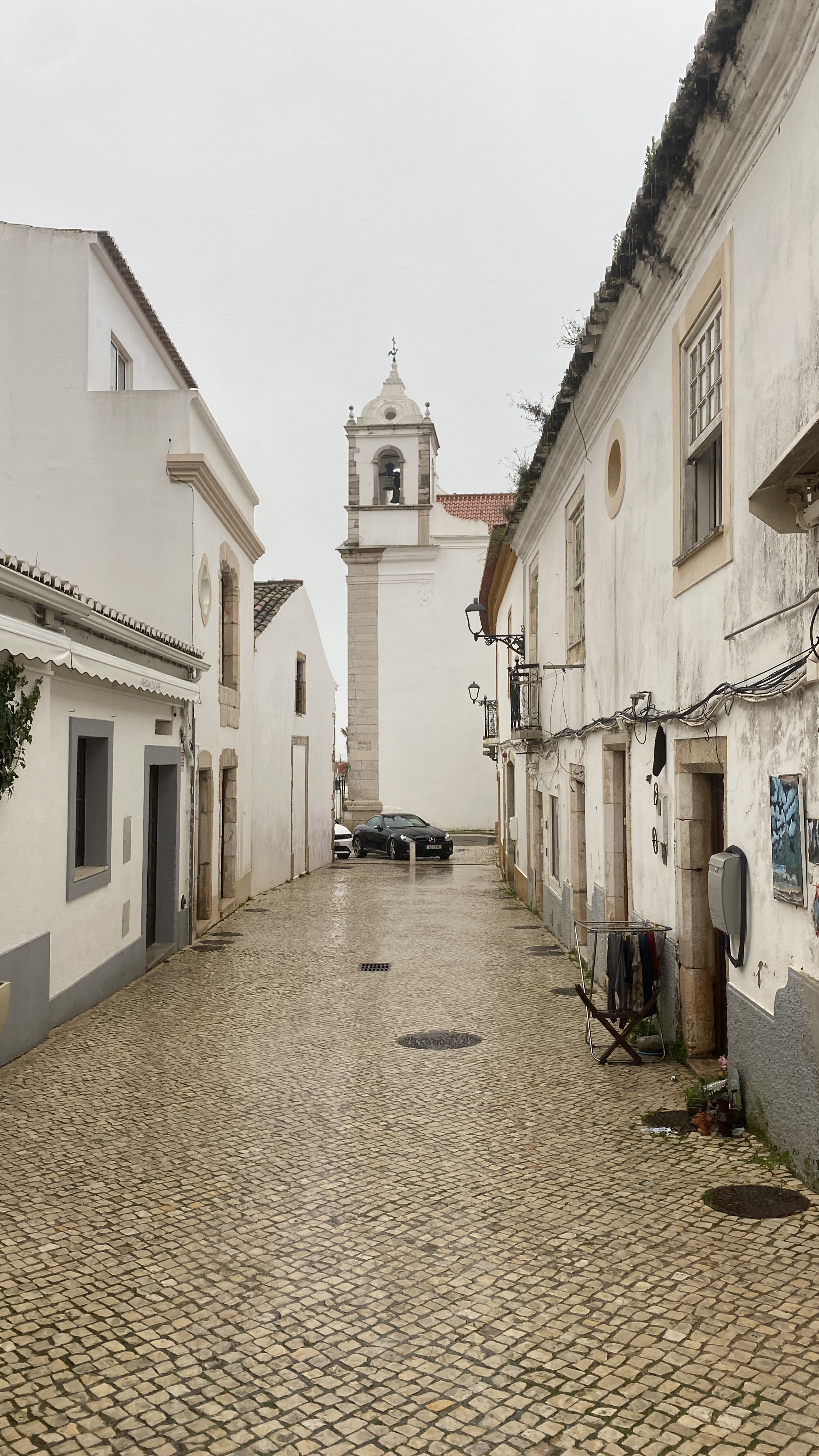
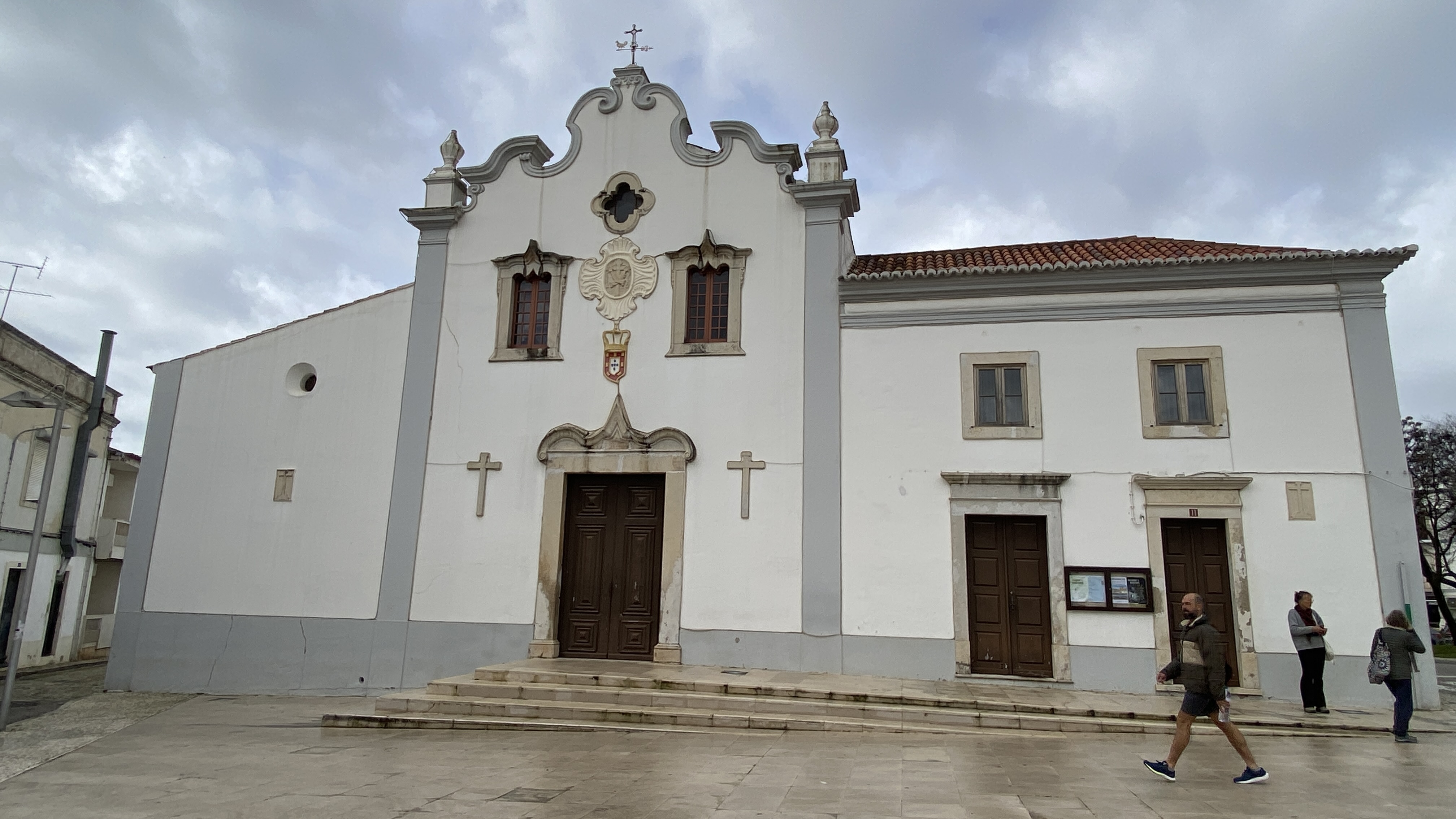
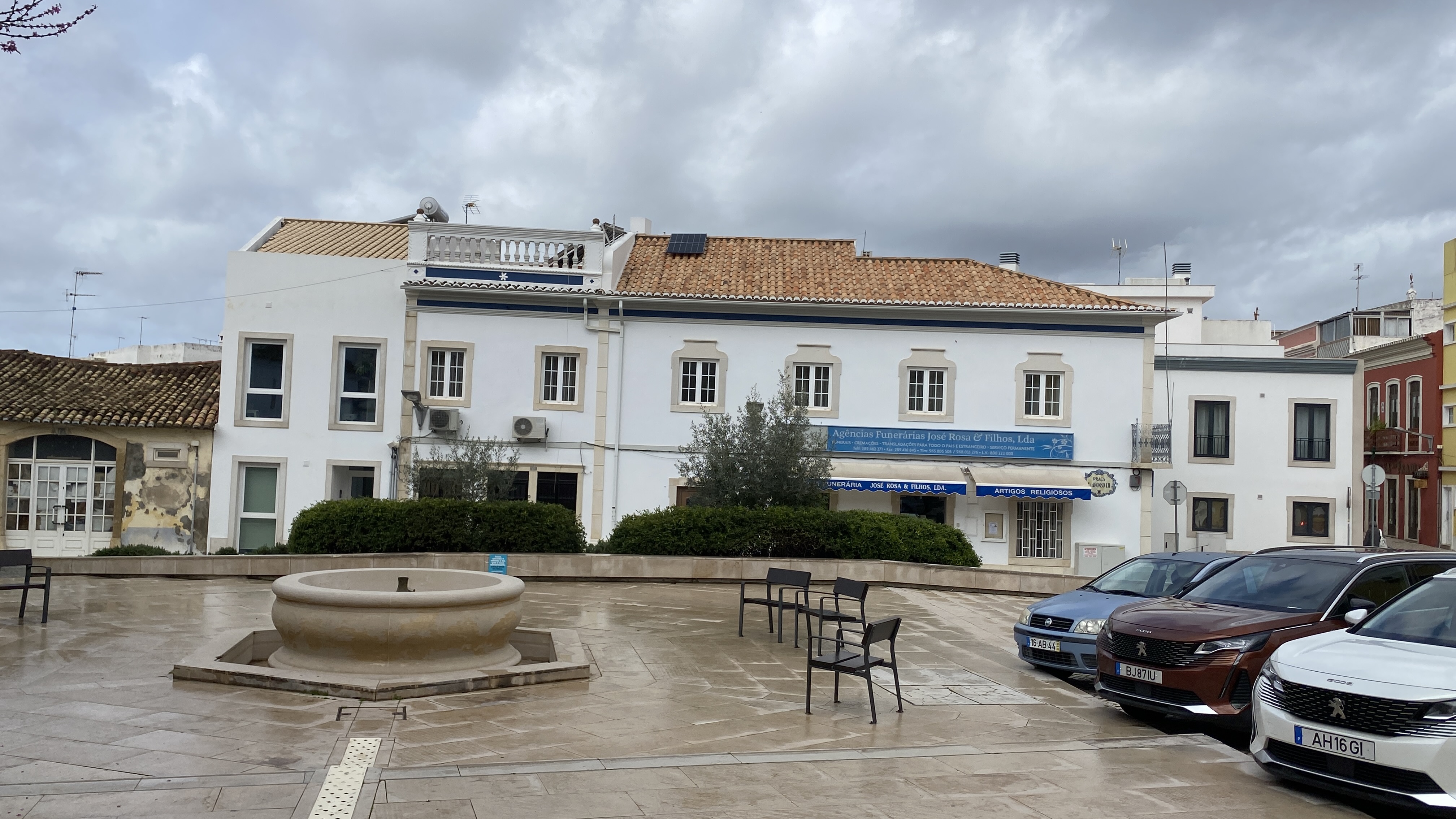
We spent four nights based in Lagos. The are old city walls and a church to discover along with an old town square, but the big attraction is the beach connected by tunnels through the cliffs and the spectacular views of the cliffs and caves from the boardwalks along Ponta da Piedade . The fisherman’s trail starts here and we hiked it as far as Lux which is small seaside town with a nice boardwalk.





Sarges
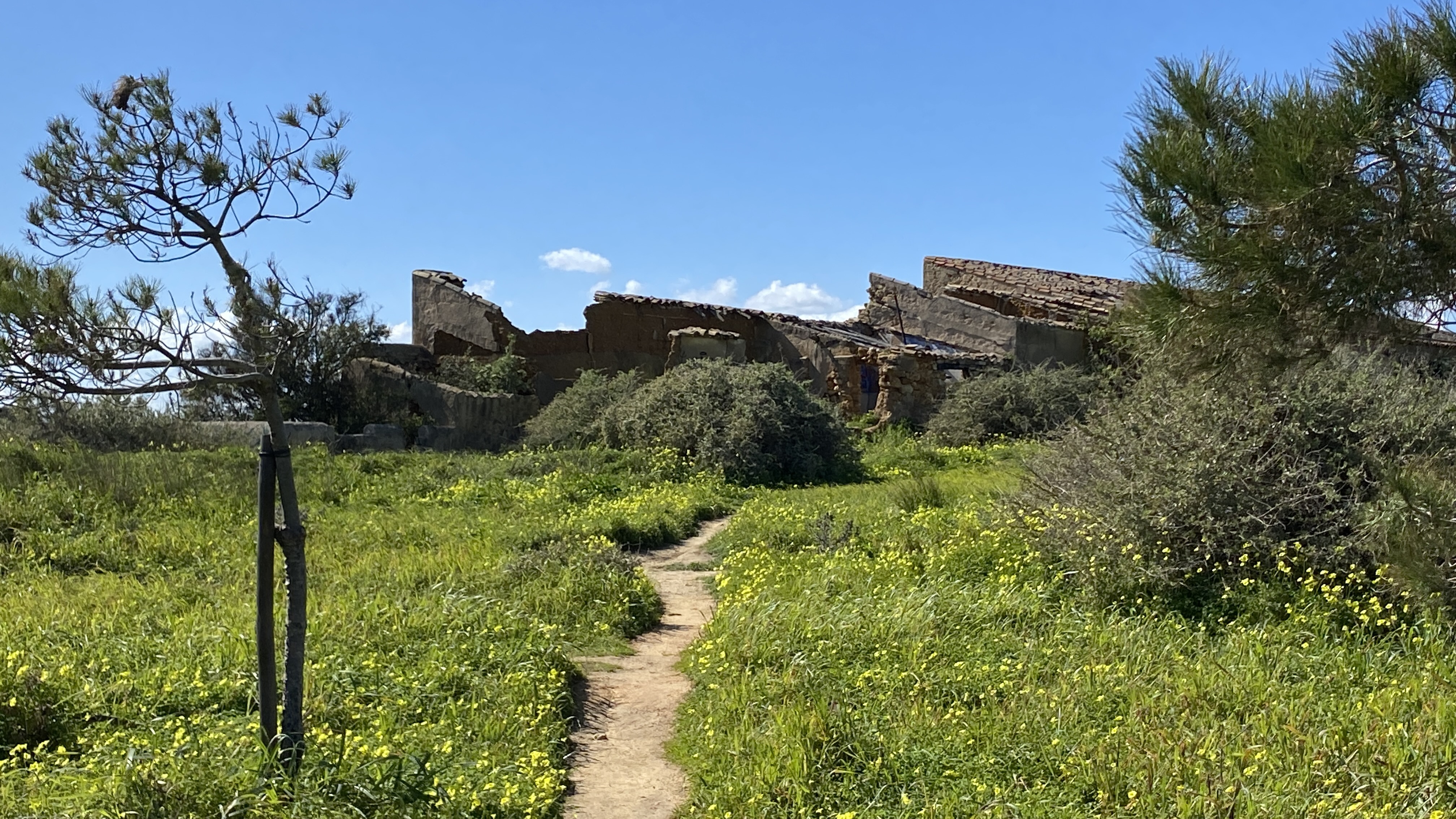
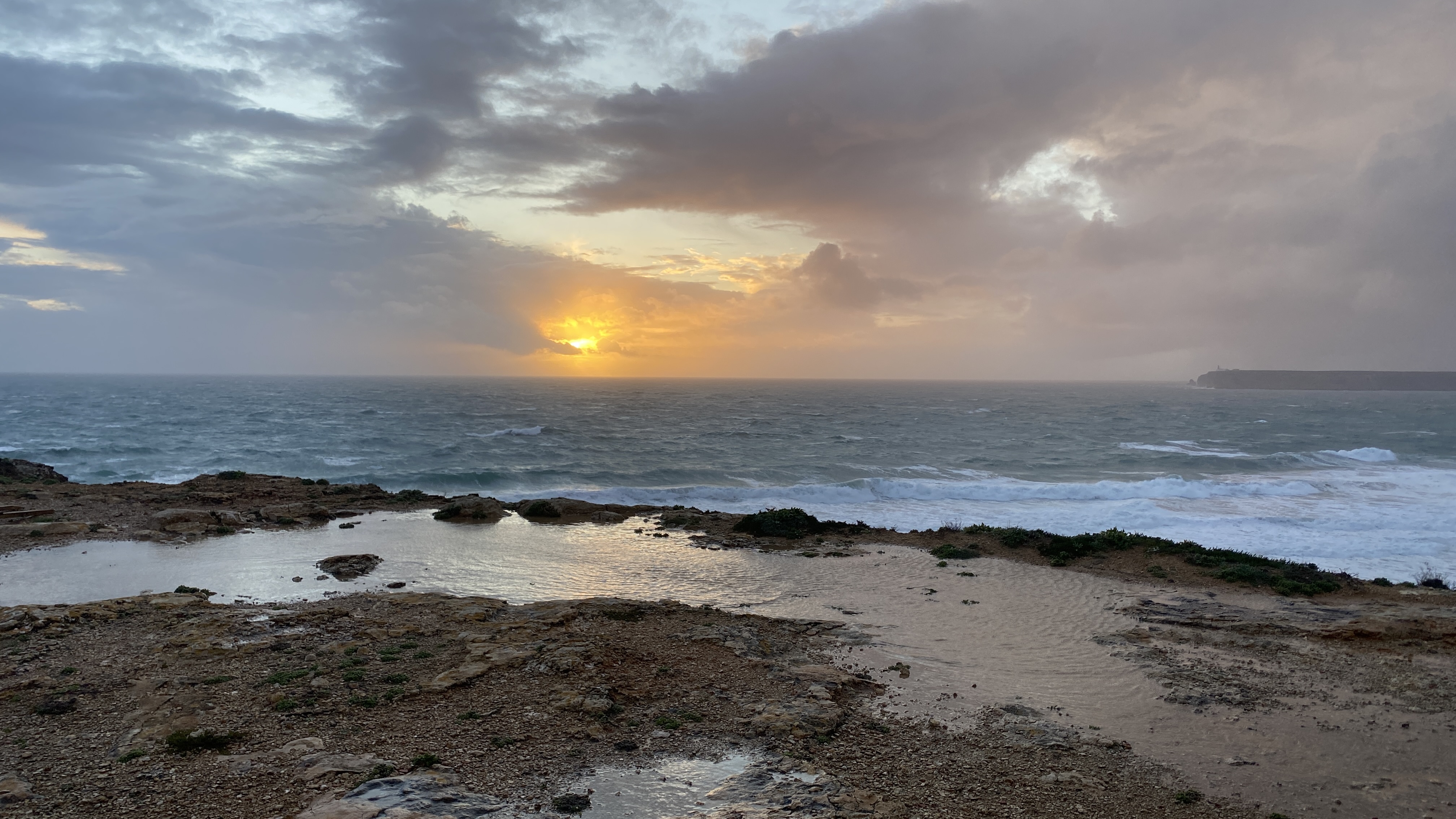
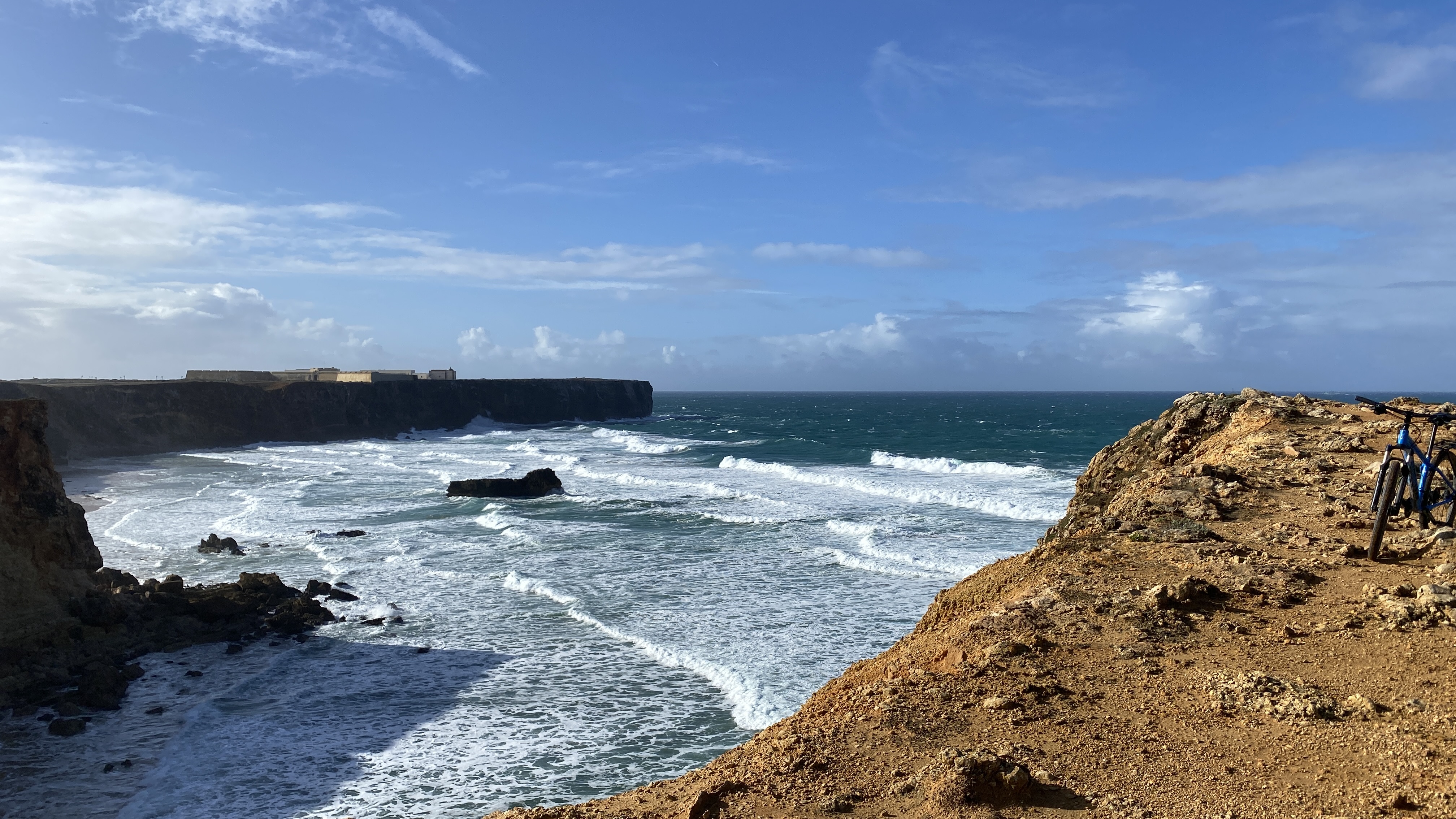
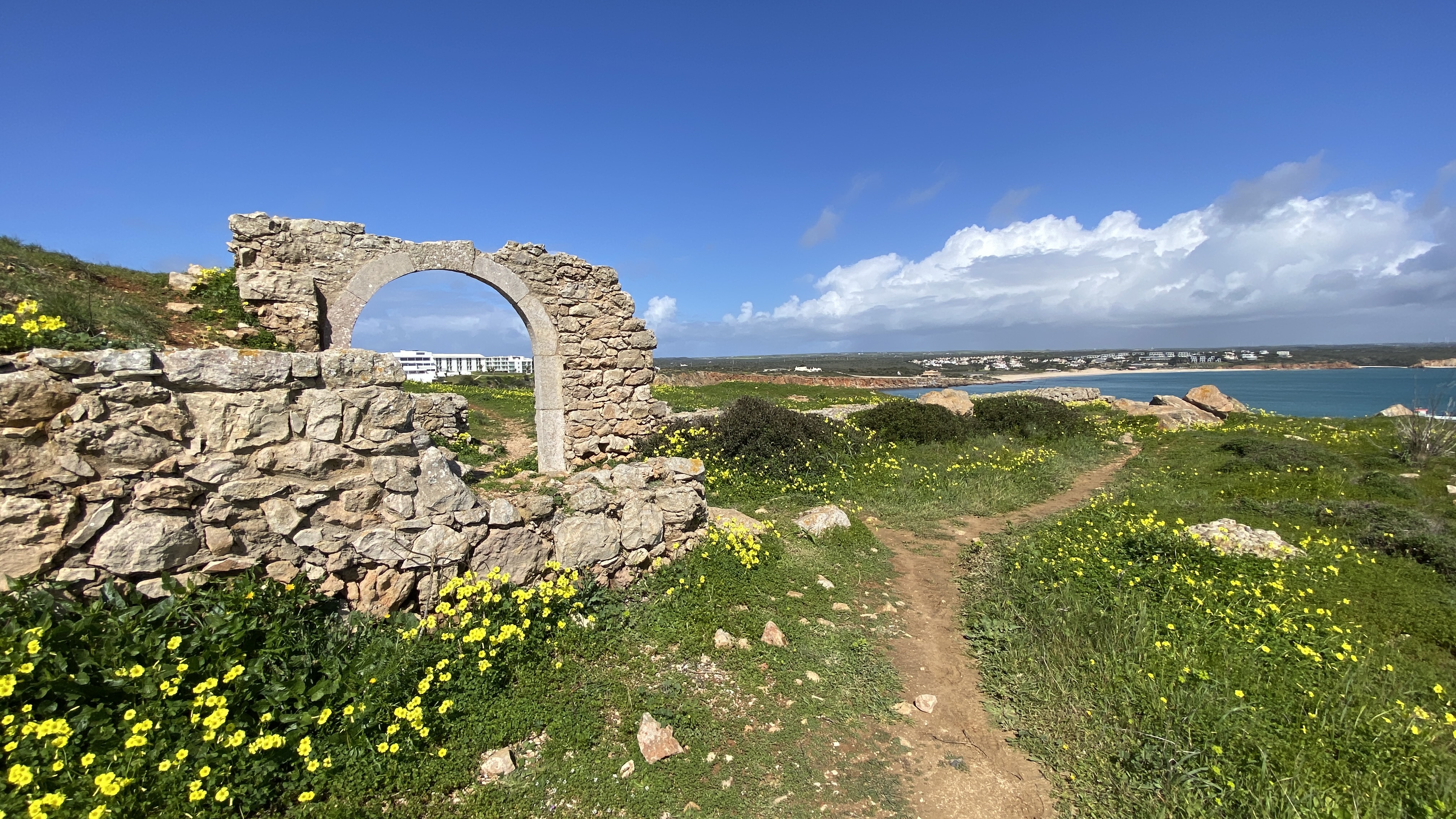
The town is quite small but it has a very large fort, Fortaleza de Sagres. I am not sure if we misunderstood but even though Google maps and local experts told us it was 3 euros to go in the sign said 10 euros for an individual and 5 euros for a family with at least one child? We could not find a child to borrow so we did not go in for 20 euros?
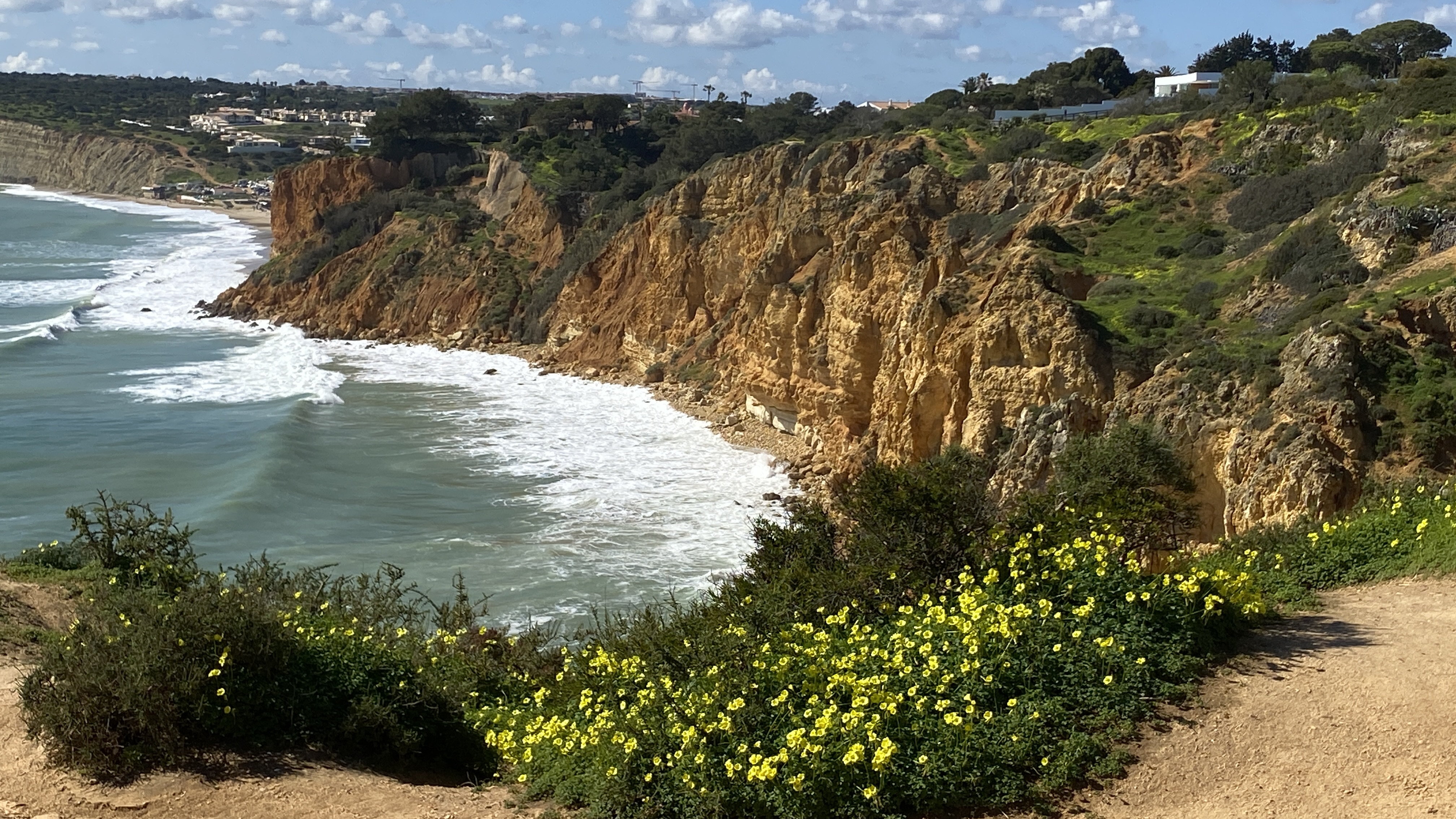
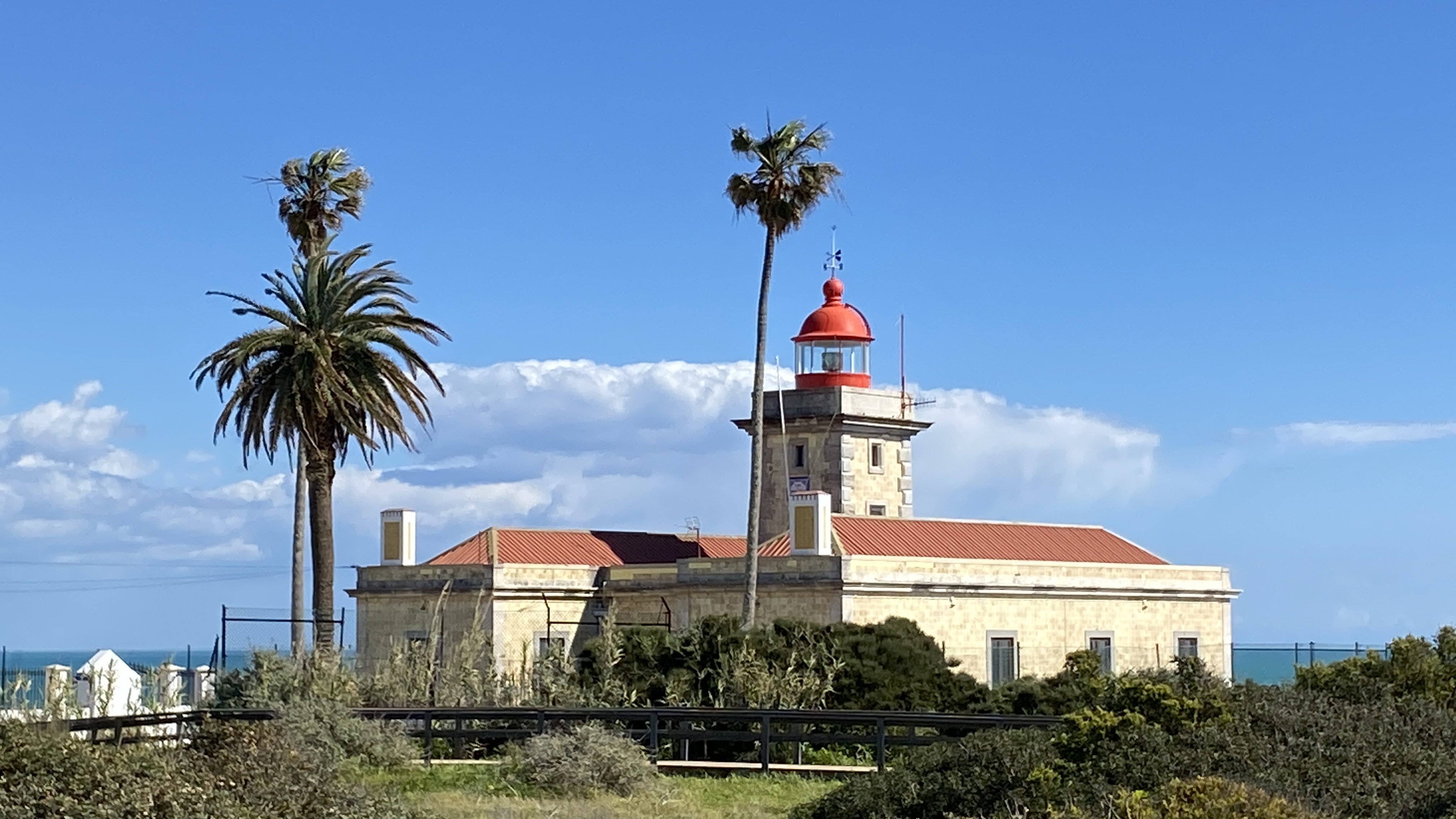
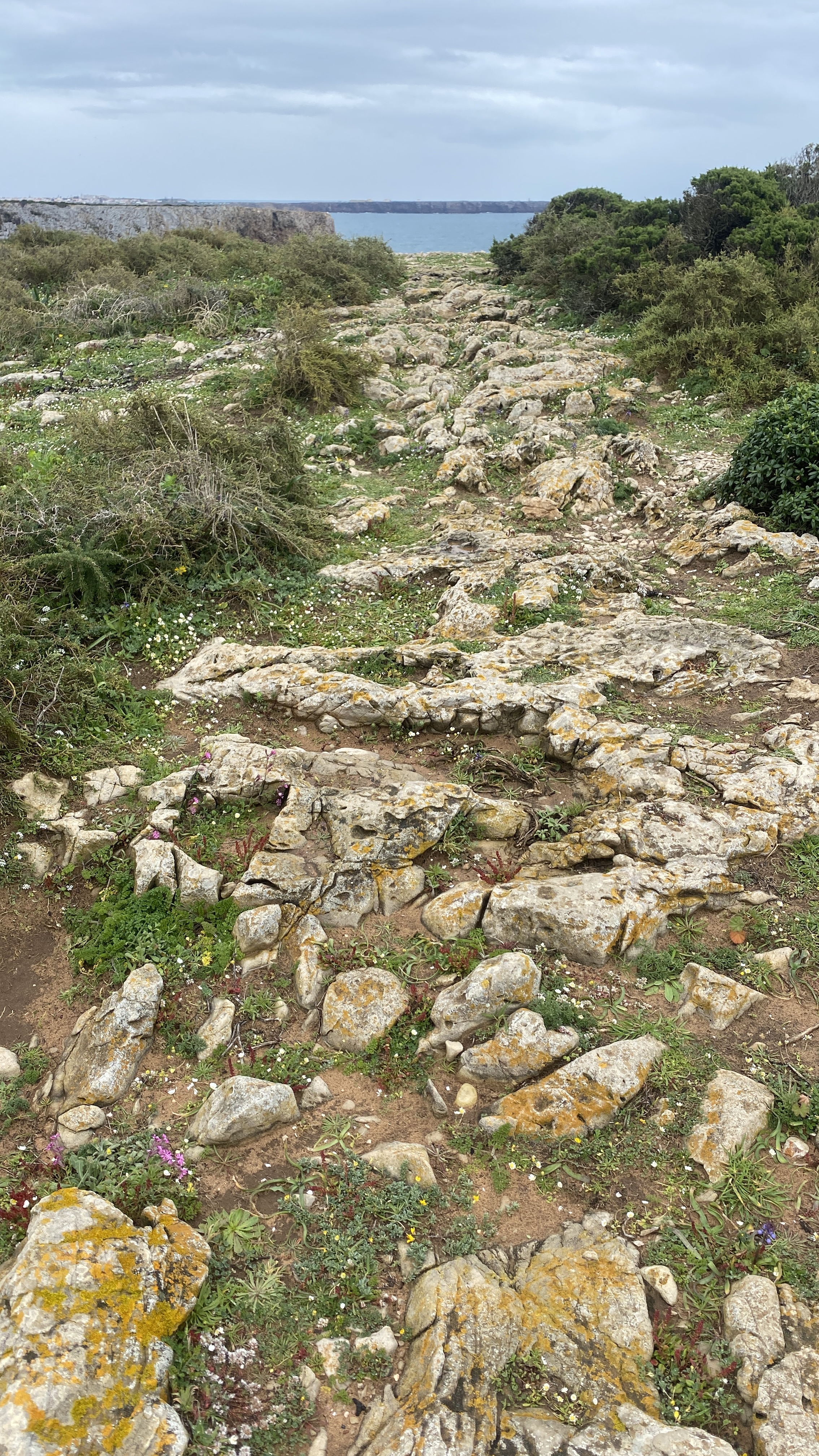
The cliffs in the area are dramatic and beautiful. The light house and fort at cape St. Vincent is currently closed but it is still worth a visit just for the views.
We stayed at Memmo Baleeira which was lovely. A bit of a splurge but worth it.




Ohla
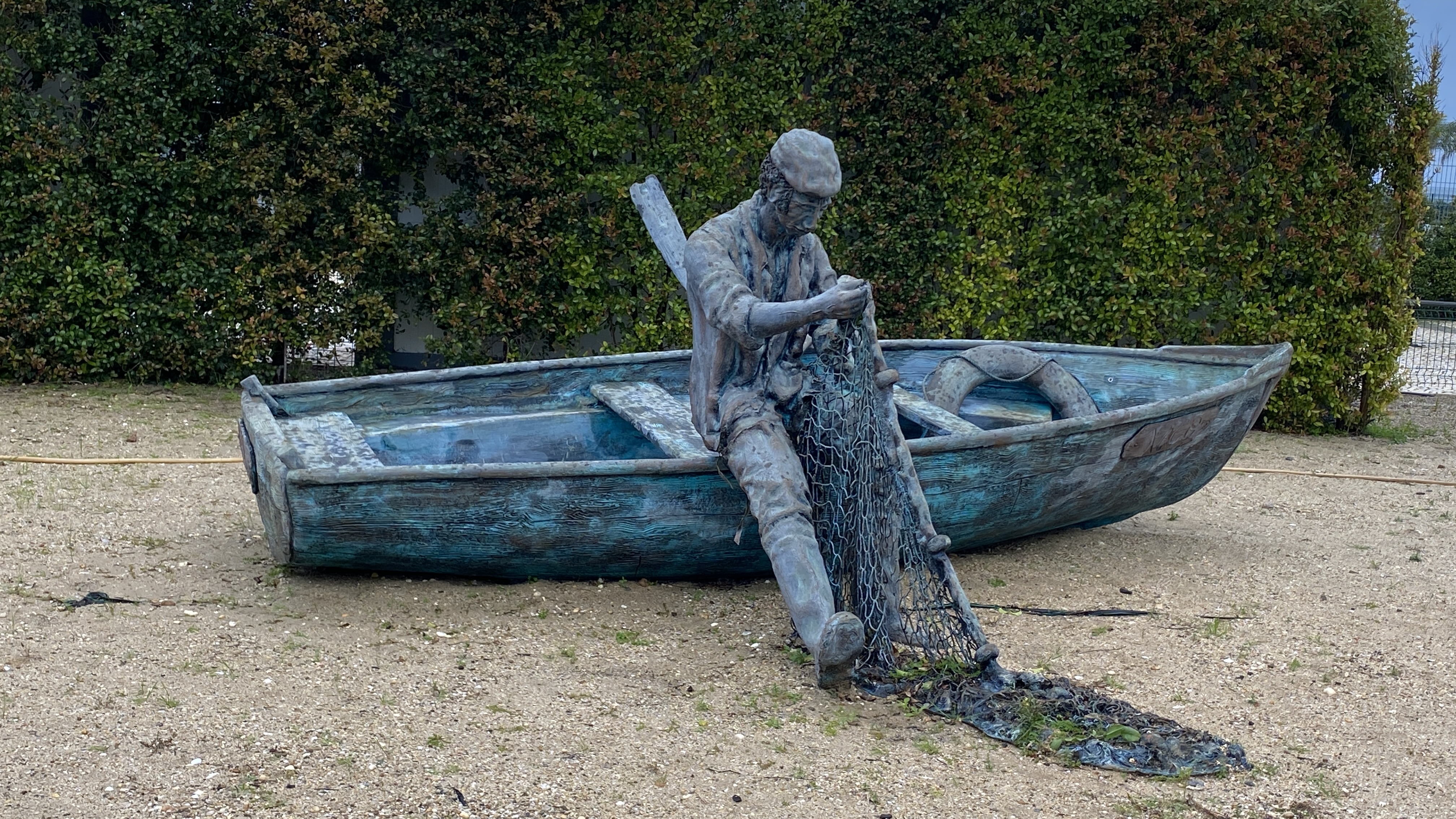
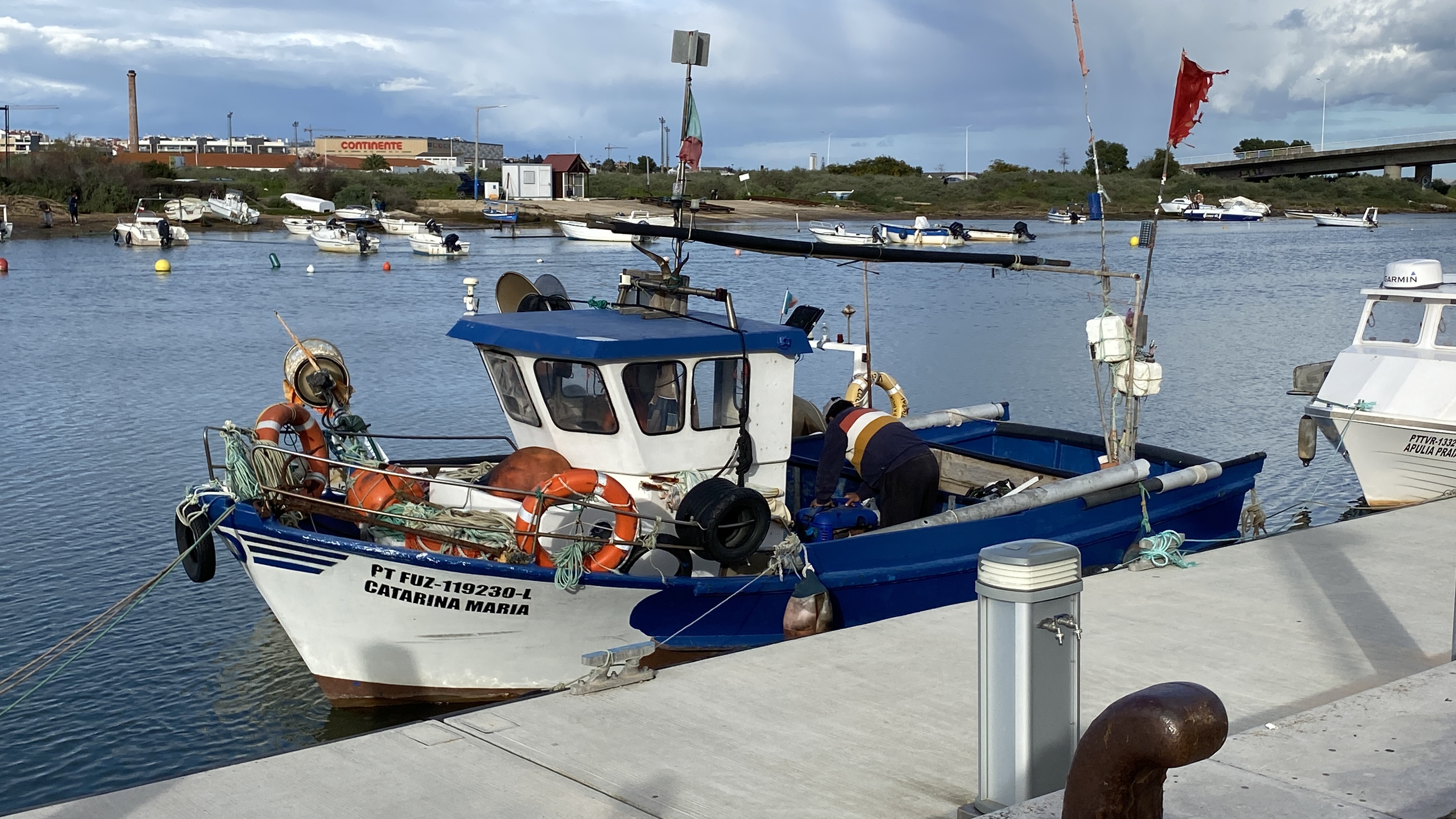
Only 12km from Faro airport we rented an apartment here for our last couple of nights. Another seaside town and the biggest fishing port in the area. There is a nice pedestrian area along the sea and a ferry to take you out onto the sandbar and beach along the ocean.




Tavira
Another small medieval town with a castle. A roman bridge and a river out to the sea. We found flamingos here and ran an urban trail run.



Overall. Beautiful place. Easy to get around. Put it on your list!
 Racing and Traveling over 50.